Tokyo–Frankfurt Business: ANA, JAL and Lufthansa seat and airport trade-offs
A 2-2-2 label does not tell you whether a window-seat passenger can reach the aisle independently.
Flight reviews1
For independent rest, shortlist an ANA or JAL product with a confirmed direct aisle path. For a couple who specifically wants the 747 upper deck, Lufthansa’s conventional pair can still have appeal. The flight’s actual map and the Tokyo airport matter more than a brand-wide score.
01Two paired layouts can have different aisle access
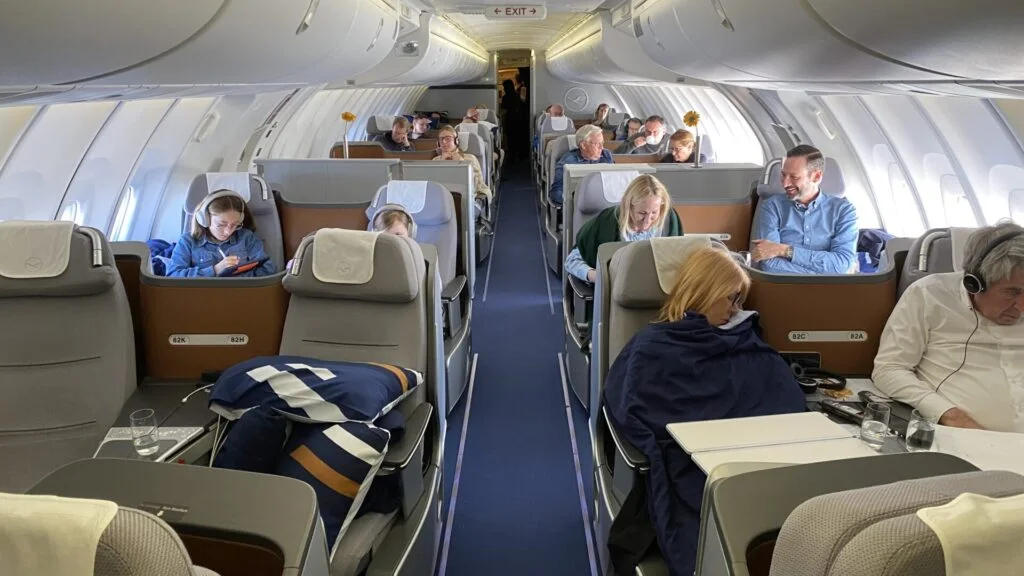
This comparison covers nonstop Tokyo–Frankfurt Business for two adults travelling return, checked on 4 November 2026. Haneda (HND) and Narita (NRT) are treated as different airports. THE Room, SKY SUITE and the 747 products below are conditional options: the seat map of the flight you can actually book determines which comparison applies.
| Product | Aisle access | Useful priority |
|---|---|---|
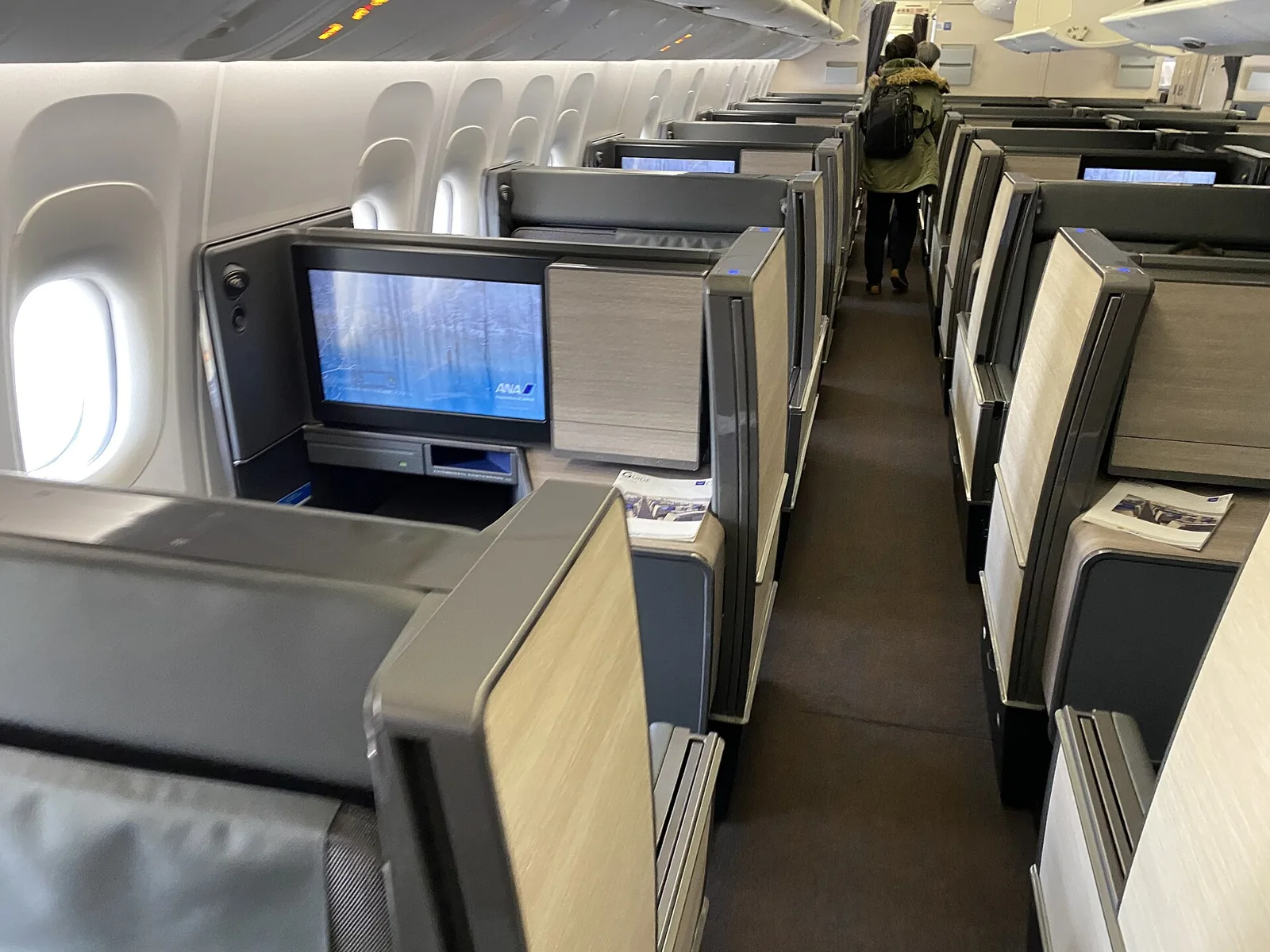
| ANA THE Room / STAGGERED | Direct access; THE Room adds a door | Independent rest |
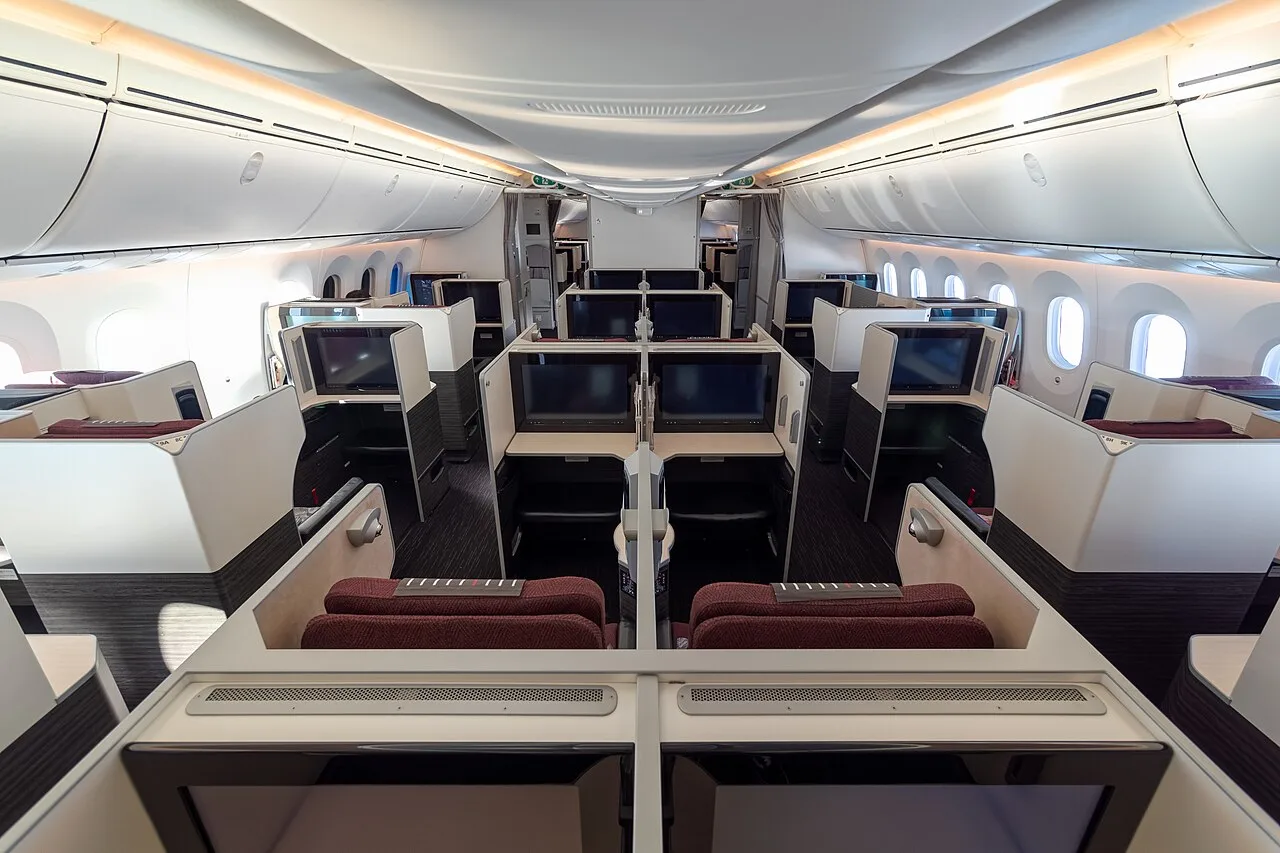
| JAL SKY SUITE | Staggered geometry gives every seat direct access | An enclosed window seat without crossing a neighbour |
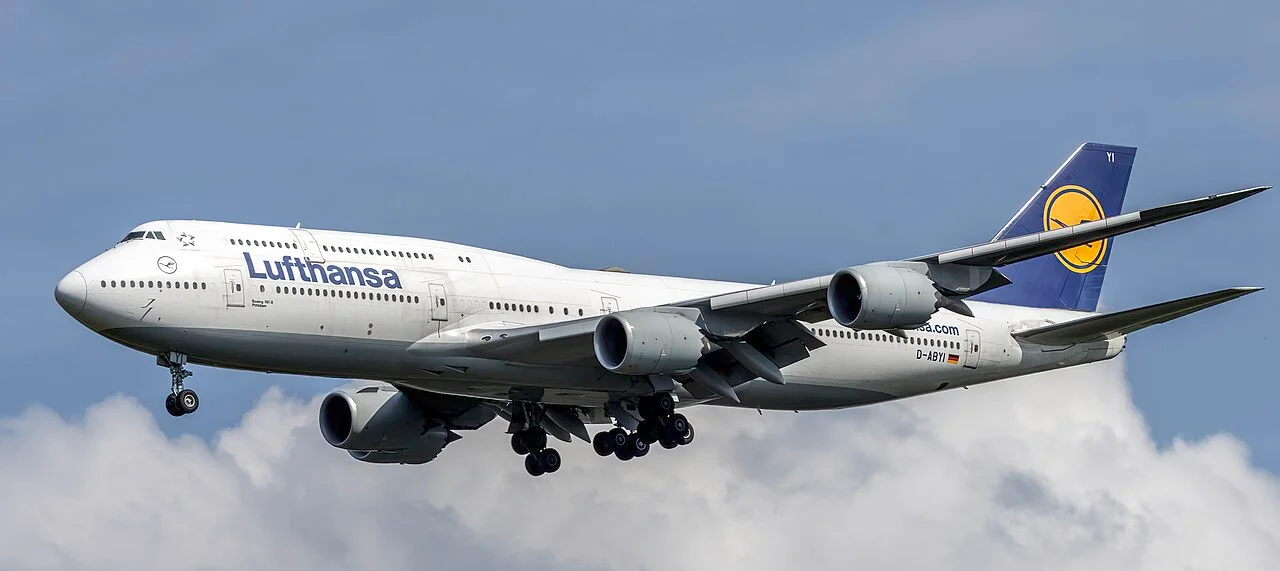
| Lufthansa conventional 747 | Window passenger may need to pass the aisle-seat neighbour | A close pair and the upper-deck experience |
JAL’s SKY SUITE is not a simple side-by-side 2-2-2 arrangement. Its offset geometry gives the window passenger a route to the aisle, as JAL’s product description confirms. A conventional Lufthansa pair has a different relationship between seat and aisle. Counting seats across the cabin misses the distinction that matters when someone gets up during the night.
Separation is not automatically better for every pair. A traveller regularly helping a companion may prefer easier contact, while two independent adults may welcome the enclosure. Treat that as a purpose-based choice rather than scoring all partitions as a universal advantage.
02The aircraft name is only the first layer
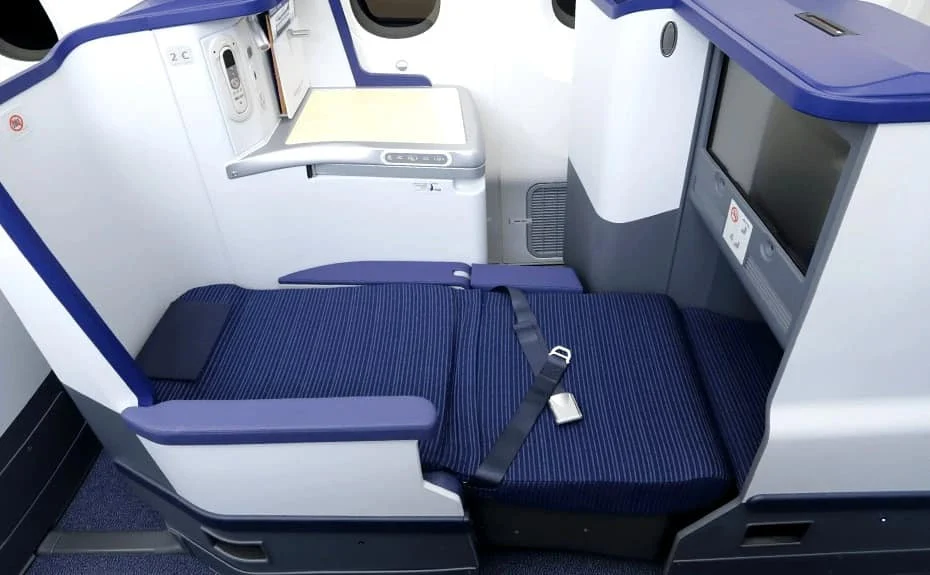
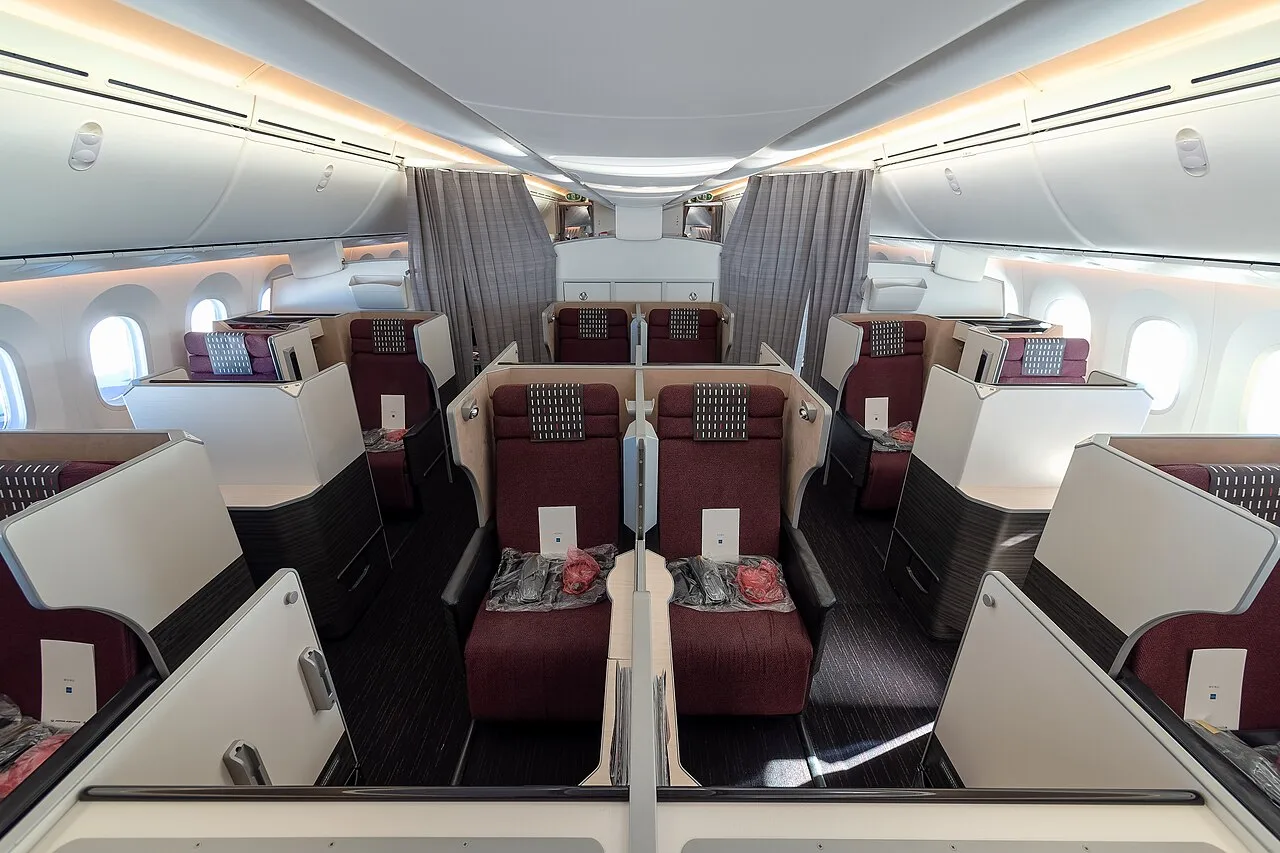
ANA’s STAGGERED and THE Room are different products. JAL publishes multiple 787-9 configurations, including E71, E91 and E92, and SKY SUITE III should not be illustrated as the original SKY SUITE. A recent Japanese NRT–FRA report describes a change from the expected seat to III, showing why the distinction matters after purchase as well as before it.
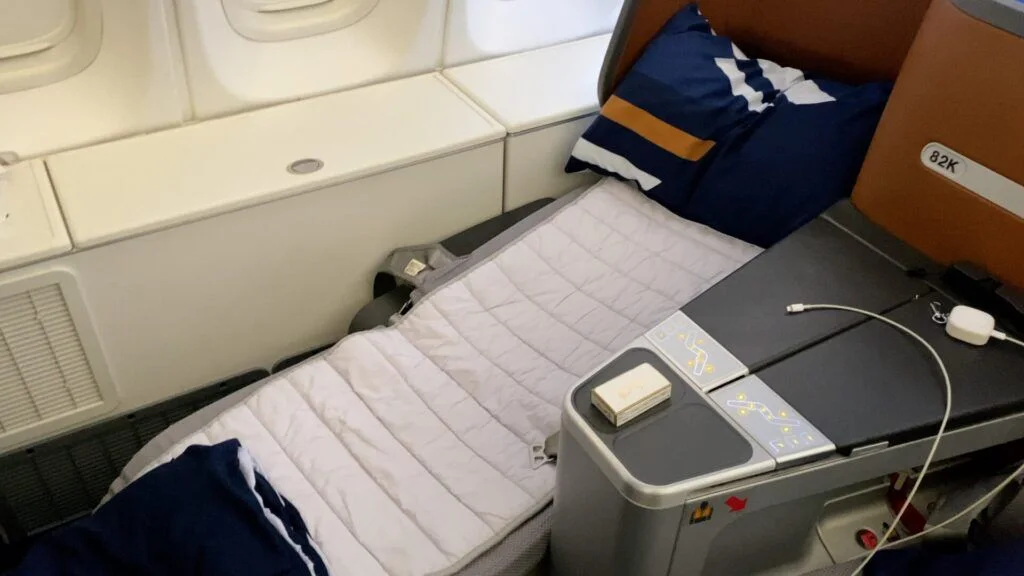
Lufthansa also publishes a March 2026 747-8 plan with a changed lower-deck layout while conventional pairs remain upstairs. “747” therefore does not establish that every Business seat is conventional—or that every seat is Allegris. The published diagram alone does not prove which configuration will operate your departure. Match the date, flight and deck in the booking map.
Lufthansa: the published deck-by-deck 747-8 plan
The Dolphin Diary report documents upper-deck side storage and bedding in the conventional product. Those details can be attractive if the small upper-deck cabin is part of the trip’s purpose. It is a 2024 experience, however, and should not be extended to every seat in a later layout.
03JAL’s Frankfurt ground experience has changed

Read the diagram as text
- From 19 May
- Terminal 3
- Current lounge listing
- Priority Lounge
- Old Terminal 2 lounge
- Not a current benefit
JAL moved to Frankfurt Terminal 3 on 19 May 2026. Its Terminal 2 Sakura and First Class lounges closed after 18 May; the current Business lounge information lists the Priority Lounge. A historical review showing Sakura Lounge food is not evidence of that same benefit on a new booking.
For travellers arriving by train or continuing on another flight, the terminal and ticket structure can matter as much as a modest seat difference. Put the current terminal, any baggage collection and the connection on a single timeline. A separately ticketed onward journey should not silently inherit the assumptions of a protected connection.
Apply the same reasoning in Tokyo. Compare transport from the actual hotel or home to Haneda or Narita, including an overnight stay if needed. A higher airfare from a more convenient airport can have a smaller total premium; for someone already staying near the other airport, the conclusion may reverse.
04Turn a two-person premium into a usable decision

Read the diagram as text
- Two return tickets
- Four passenger-sectors
- Airfare premium
- ¥20,000 per sector
- Extra ground costs
- Adjust the total first
Align travel dates, two adults, Business, taxes, surcharges, baggage and selected seats. Suppose one option costs ¥80,000 more for the two return tickets. Over four passenger-sectors, that is ¥20,000 per person each way to evaluate against the seat and timing benefits. This is illustrative arithmetic, not a current fare quote or a currency-converted market price.
If the nominally cheaper option adds ¥30,000 of ground transport and hotel costs for the pair, the remaining difference becomes ¥50,000, or ¥12,500 per passenger-sector. Refundability still needs separate treatment: a non-refundable ticket and a cash-refundable ticket do not become equivalent simply because their totals are close. Check change fees, fare differences and what is returned after cancellation.
For independent sleep, begin with a confirmed direct-aisle seat. For a special trip built around the 747 upper deck, the cabin itself can justify a different choice. Use independent reviews to explore food and service, while keeping each author’s historical experience separate from the current seat plan and your ticket conditions. That produces a more useful recommendation than a single airline-wide winner.