

BA vs Virgin Atlantic Business Class: the better choice for New York–London
A private suite is only part of a good Atlantic crossing. The departure time and the hours left for sleep can matter just as much.
Flight reviews8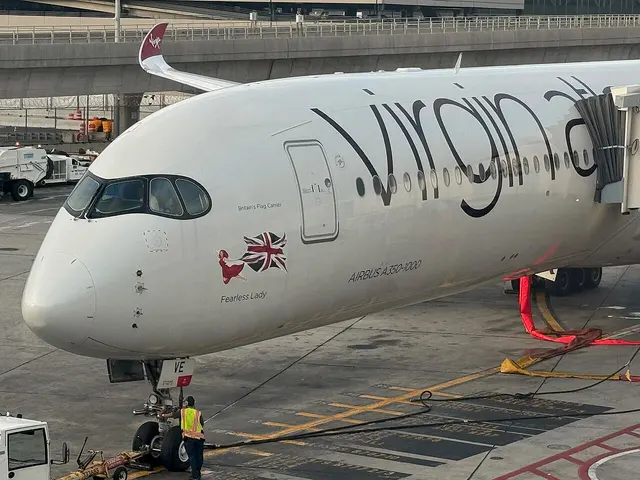

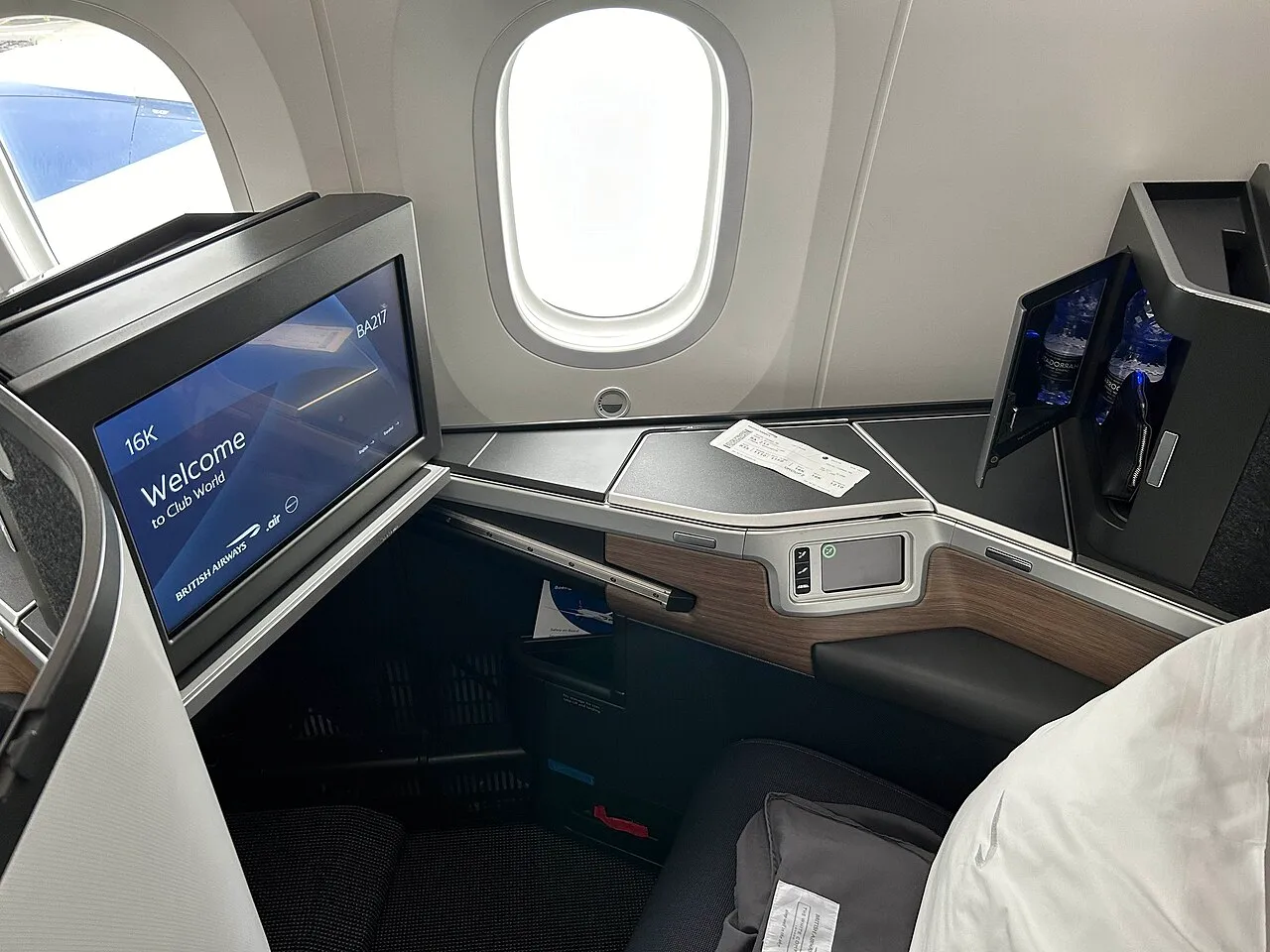
For a short overnight crossing, choose a confirmed modern seat and a schedule that lets you eat before boarding. BA Club Suite and Virgin’s A330neo Upper Class both fit that brief. Virgin is especially appealing if the lounge and onboard atmosphere are part of the occasion; a convenient BA itinerary can be the better purchase when the fare gap is substantial.
01The useful comparison starts with the direction of travel
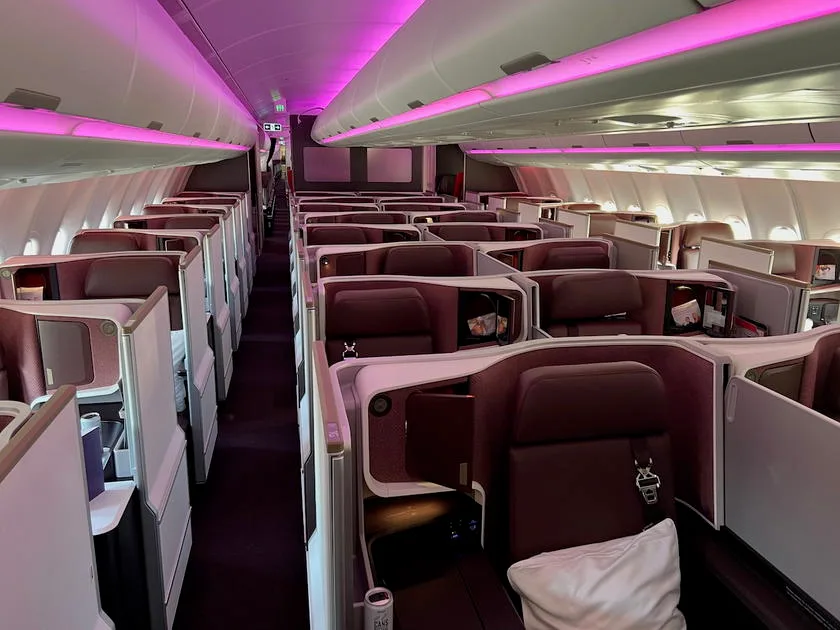
A New York–London business-class ticket can buy two quite different things: a short night in a bed, or a comfortable day with lunch, films and room to work. Choosing the airline before deciding which journey you want makes it easy to pay for benefits you barely use. Our comparison is for travellers buying their own ticket, or adding personal money to an upgrade, rather than chasing a universal airline ranking.
| Your priority | BA Club Suite | Virgin Upper Class |
|---|---|---|
| Sleep on the eastbound overnight flight | Strong candidate with a door-equipped Club Suite | A330neo suite is a strong candidate; establish the actual cabin first |
| Enjoy the flight as part of a holiday | Private space and a conventional long-haul business service | A distinctive cabin and, on selected aircraft, a separate social area |
| A daytime crossing | Compare the actual departure and evening arrival | Compare the actual departure and evening arrival |
| Keep the bill under control | Include any advance seat-selection charge in the quote | Include any Retreat Suite supplement separately |
Neither logo removes the need to compare the precise flight. A Club World fare names the travel class, while Club Suite names a particular seat. Virgin also sells several versions of Upper Class. A search result that says “business” is therefore the beginning of the comparison, not enough information to settle it.
Onboard videos1 video
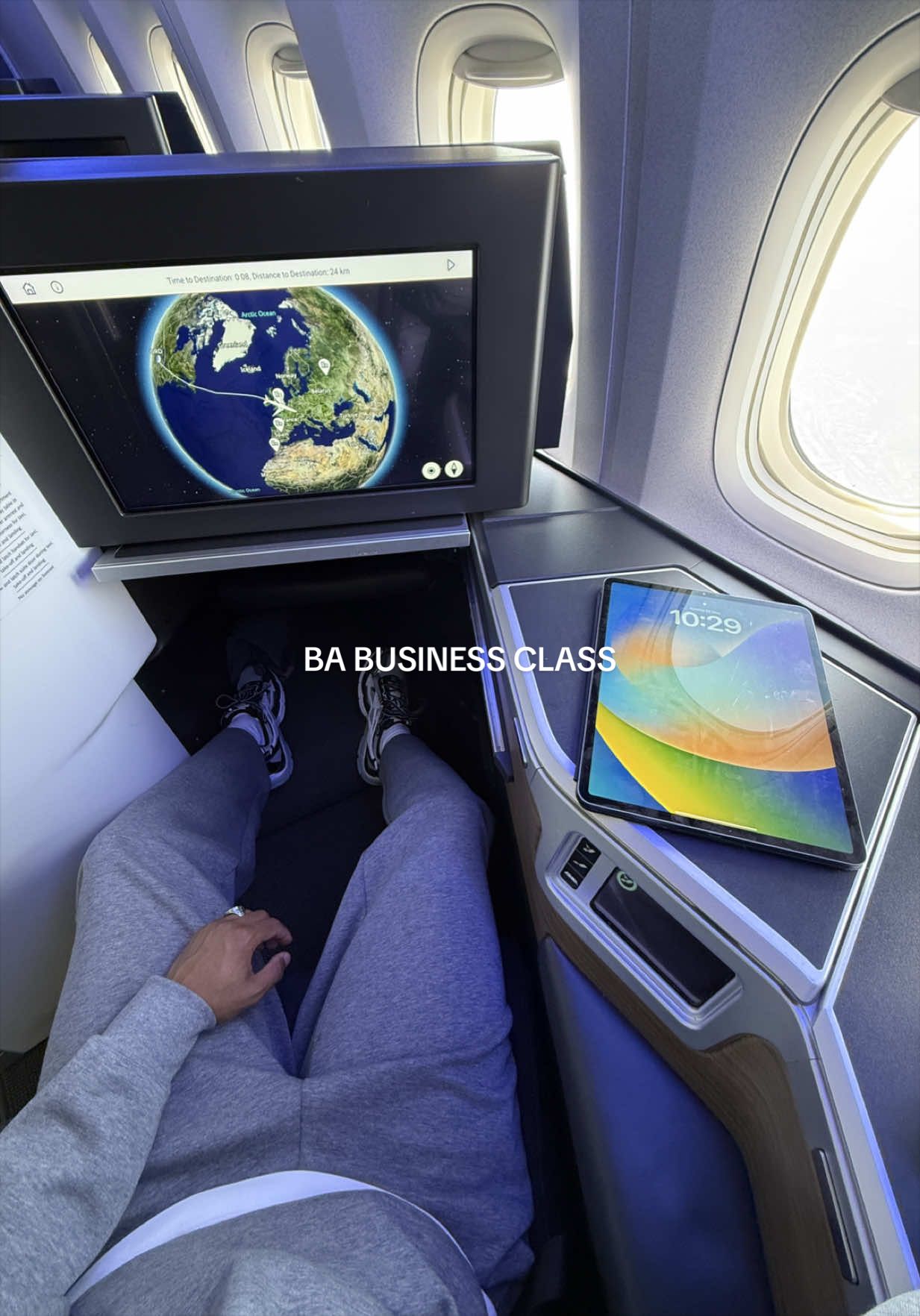
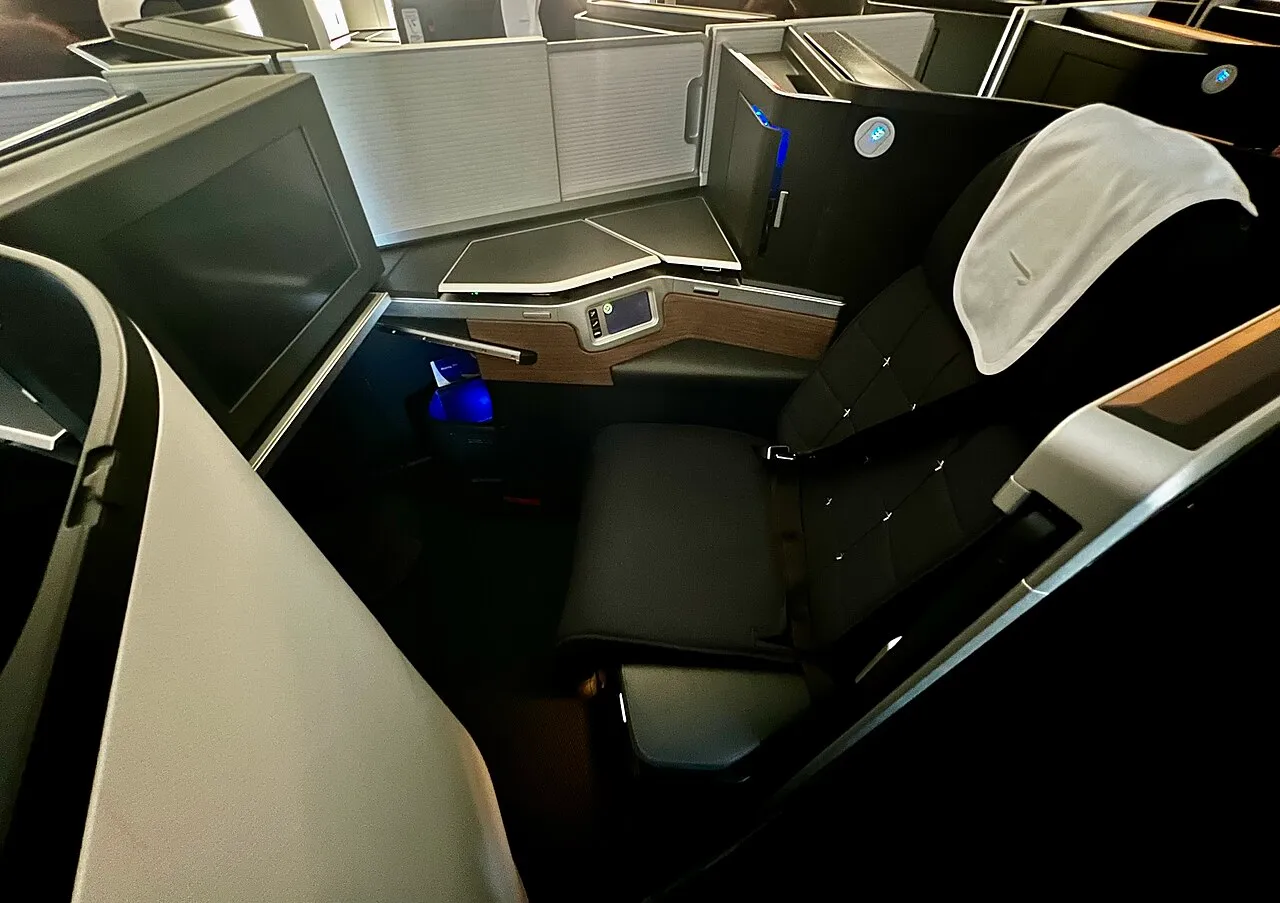
A passenger view of BA Club Suite helps show the space around the seat. The clip illustrates the product; the route comparison below covers both airlines.

03Two modern suites—and several seats that are not equivalent
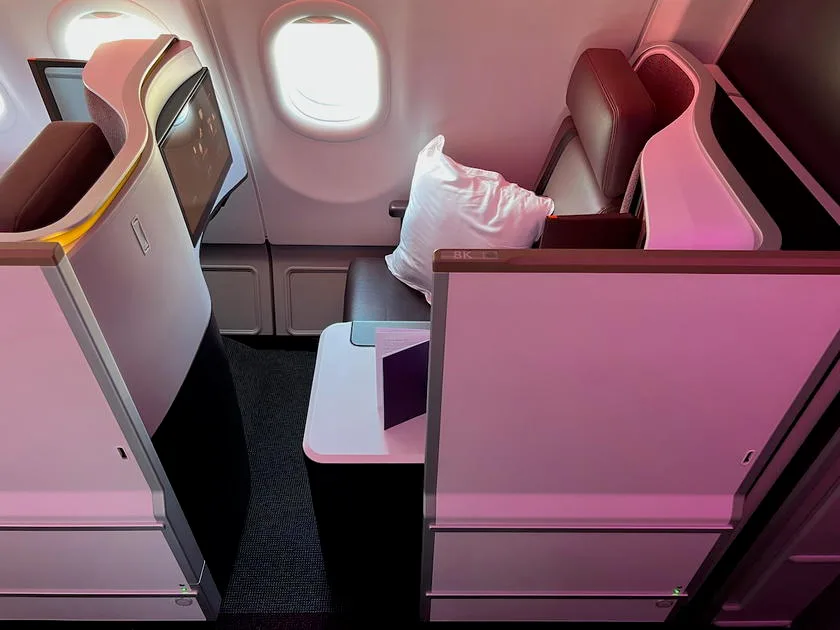
BA’s Club Suite has direct aisle access, a privacy door and a bed approximately 198 cm long. The older Club World bed is around 183 cm, and the cabin arrangement differs. Virgin’s A330neo Upper Class offers a door-equipped flat bed of up to approximately 200 cm. On those specifications alone, neither modern product has an overwhelming advantage for every passenger.
The more revealing questions concern how you spend the flight. A side sleeper may care about the space under the screen when turning over. A traveller working with a laptop may care more about whether the table can move out of the way without packing everything away. Two people travelling together may prefer centre seats, but those remain separate workspaces; they are not automatically a shared dining table or double bed.
Virgin’s Retreat Suite is an additional seat choice, not the baseline Upper Class experience. Its extra space can be attractive on a daytime trip with a companion. On a short night, however, the same supplement may buy very little additional time to enjoy it. Comparing an upgraded Retreat quote with a standard BA seat also overstates the price difference between the two ordinary business products.
04A six-hour flight does not offer six hours in bed
The following is a planning example, not a forecast of a particular departure. Suppose the aircraft spends six hours airborne. Allow 30 minutes to settle after take-off and 45 minutes before landing. That leaves four hours and 45 minutes before a meal, a film or an extended conversation has taken any of the night. A 75-minute dinner reduces the theoretical rest window to three hours and 30 minutes.
| Use of time | Dinner on board | Eat before boarding |
|---|---|---|
| Airborne time | 6h 00m | 6h 00m |
| Settling in + landing preparation | 1h 15m | 1h 15m |
| Main meal on board | 1h 15m | 0h 15m for a small snack |
| Time potentially left for rest | 3h 30m | 4h 30m |
That extra hour is a more tangible benefit than a small difference in screen size. It is still only an opportunity to rest: turbulence, light, noise and your own sleep pattern can reduce it. BA advertises a faster Goodnight dining option on departures after 21:00. Whichever airline you choose, discussing your preference with the crew early makes more sense than waiting until the meal arrives and then trying to rush through it.
05A daytime flight changes the value of the cabin
For someone who struggles to sleep on aircraft, a daytime eastbound option deserves a serious look when one fits the travel date. The trade is simple: more of the day is spent travelling, but the plan no longer depends on achieving a full night’s sleep in a very short window. Arrival, transport and a normal bedtime become the focus instead.
That can also change which class is worth buying. A flat bed has less incremental value if you intend to stay awake, while a comfortable premium-economy fare may free up money for a better hotel or another day away. Business remains attractive for private space, work and an unhurried meal, but those are different reasons from avoiding an overnight seat.
Virgin’s social spaces vary by aircraft: the A330neo, A350 and older aircraft do not all share the same arrangement. If a bar or lounge is a major part of the appeal, the specific layout belongs on your shortlist. For a traveller hoping to sleep, that feature can be almost irrelevant. There is no inconsistency in choosing different airlines—or different classes—in opposite directions.
06What a fare difference actually costs a couple

Read the diagram as text
- Airfare difference
- US$1,000 for two
- One hotel room avoided
- US$250, counted once
- Remaining difference
- US$750 for the couple
There is also a useful way to test whether a better departure time deserves a premium. Suppose an earlier flight gives you two additional usable hours in London but costs US$300 more per person. For a couple, that is US$600 for two shared hours, not four separate hours at the destination. If the extra time is simply spent waiting for a hotel room, its practical value may be small. If it allows you to attend an event you would otherwise miss, the same difference may be worthwhile. The point is to name the benefit before assigning money to it.
On the return to New York, repeat the exercise rather than copying the outbound choice. A daytime westbound flight may leave you wanting a comfortable dining and working space instead of the widest possible bed. Choosing a different airline for each direction can make sense, but compare the actual total quoted for the combination. Two one-way prices are not automatically equivalent to the price or conditions of a return ticket. The itinerary you can buy is the unit that matters.
Imagine two comparable return quotes, including taxes and the seat choices you intend to buy: BA at US$3,200 per person and Virgin at US$3,700. These are invented figures to demonstrate the calculation, not available fares. The difference is US$500 each, or US$1,000 for two people. It is not a US$500 decision for the trip.
Now suppose the dearer option also avoids a separate hotel night that would cost US$250 for the room. The remaining difference becomes US$750 for the couple. A preferred cabin and departure may justify that amount, but the answer is personal and visible. Counting the same hotel saving once per passenger would incorrectly make the upgrade look cheaper.
Points bookings need the same discipline. Write down the points and cash required for both passengers, the flights actually available and the cancellation conditions. A low headline points figure is not a cash fare, and miles in different programmes are not interchangeable units. If only one seat is available at the attractive rate, the two-person comparison has not yet been solved.
07What the flight reports add to the decision

Michele’s 2021 BA 777 overnight report describes the space around the feet when turning onto one side and the role of bedding. Her 2020 Virgin A330 daytime report is useful for the opposite reason: it explains a journey built around meals and staying awake. These are dated accounts of different products, not a current head-to-head test. Together they show why the same passenger can value a cabin differently on a day flight and a night flight.
Read the BA Club Suite overnight flight report
Read the Virgin daytime Upper Class report
For this route, our order of priorities is the flight you can use, the actual seat, the rest opportunity and then the extra flourishes. If both quotations offer a modern suite and equally useful times, the less expensive one is a sensible starting point. Paying more becomes easier to justify when you can name the specific experience or time saving that the difference buys.
Would premium economy be enough? Compare BA and Virgin
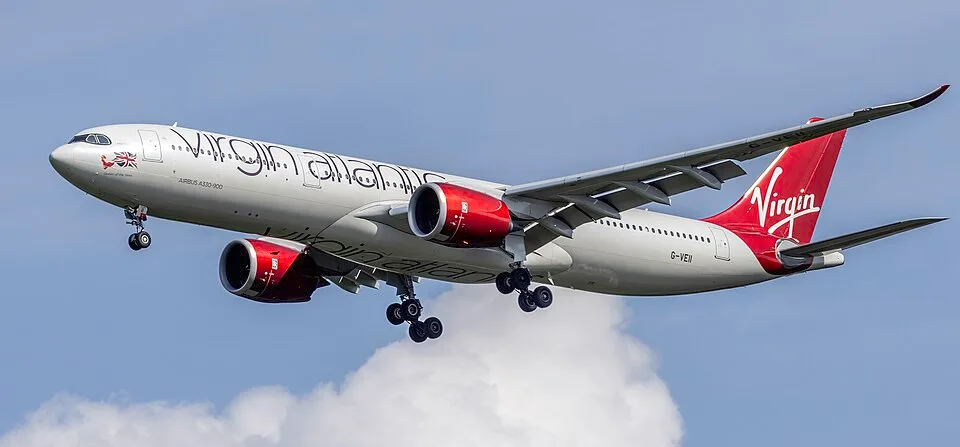 16 flight reviewsMore Virgin Atlantic flight reportsBrowse reviews
Related flight reviews
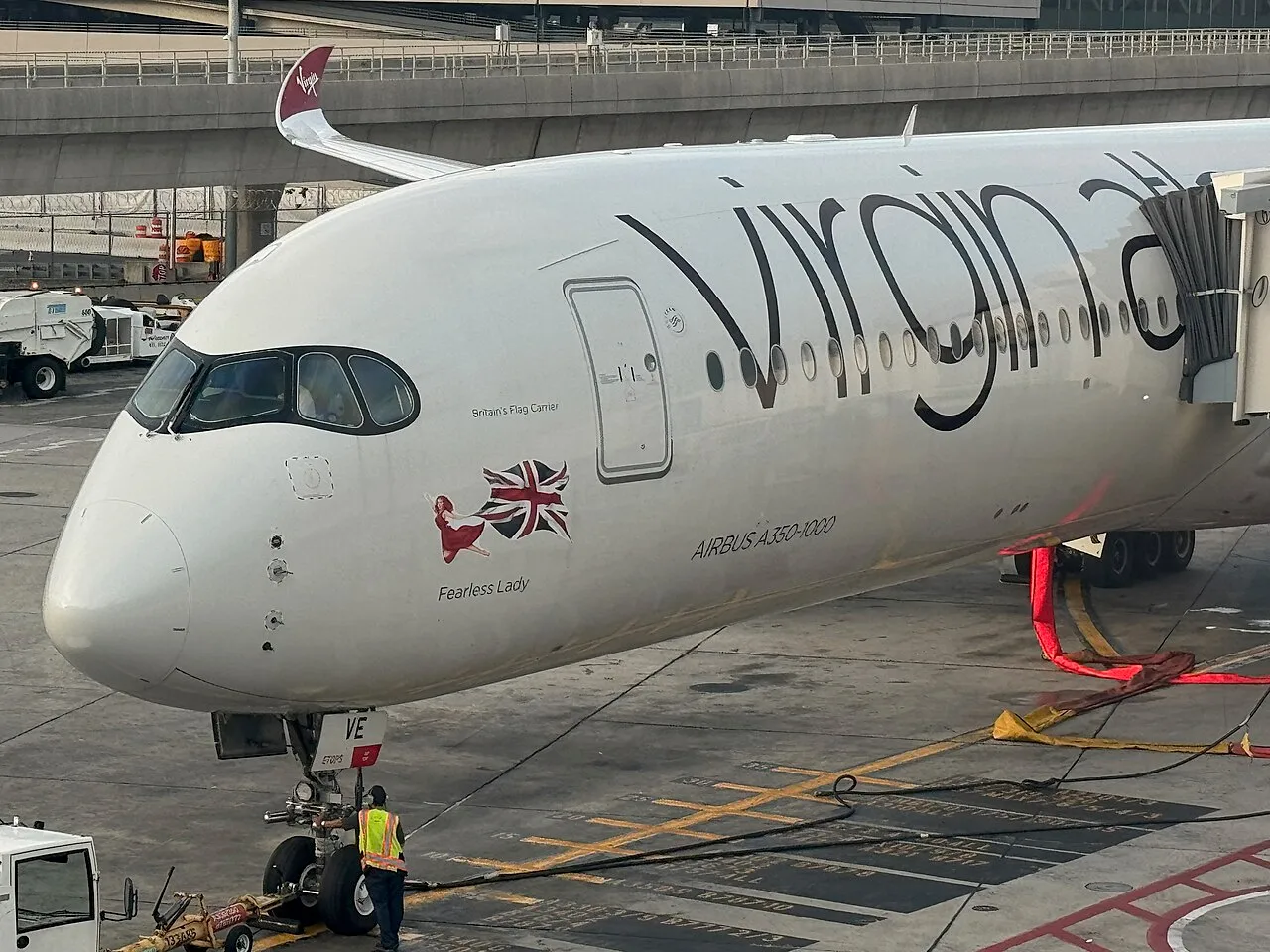 Virgin Atlantic
London New York
Airbus A350-1000 · Business
Virgin Atlantic Upper Class Review (A350-1000)
Norwegian TravellerRead review JetBlue
New York London
Airbus A321neo · Business
Review: JetBlue A321neo Mint Suite (JFK-LHR)
The AlviatorRead review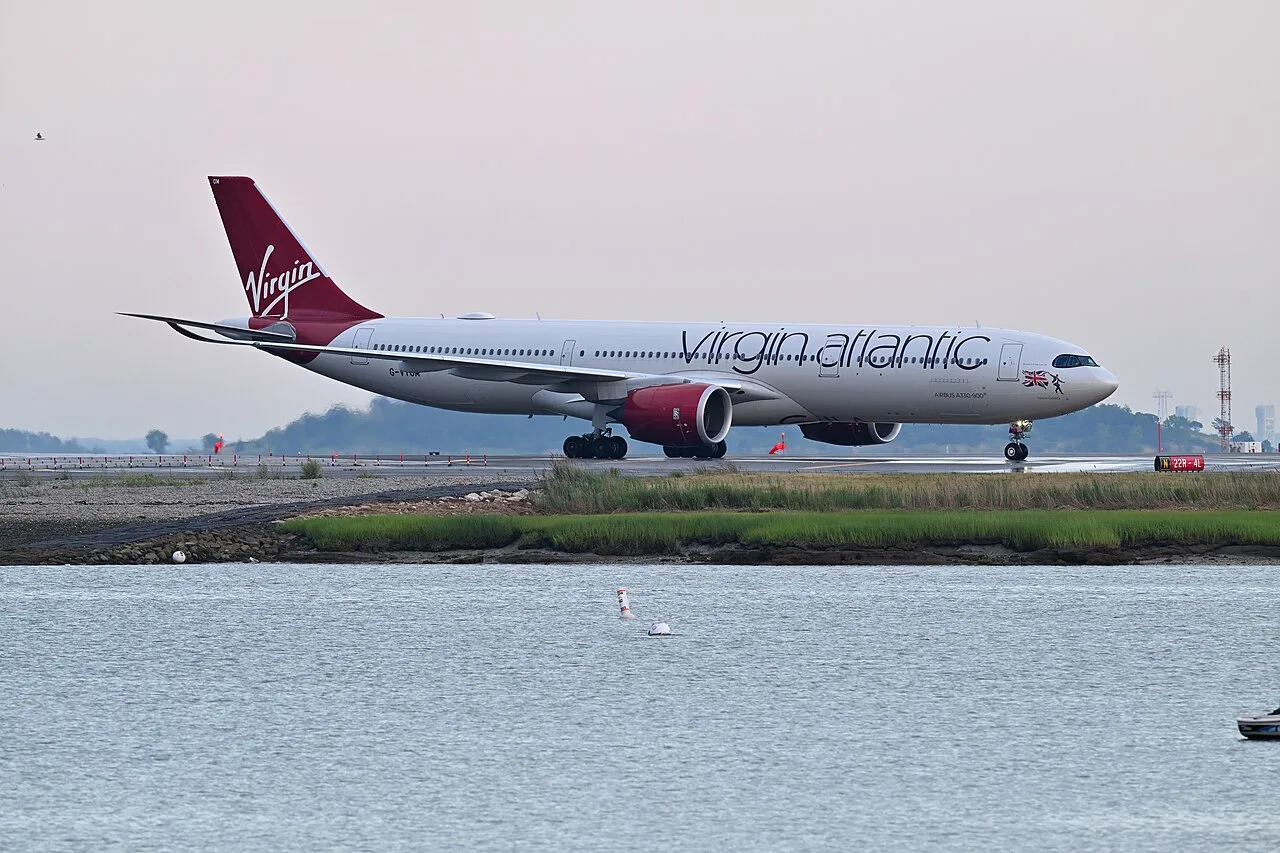 Virgin Atlantic
New York London
Airbus A330-900neo · Business