
Cathay Aria Suite vs Singapore Airlines 777 Business: privacy or a wider seat?
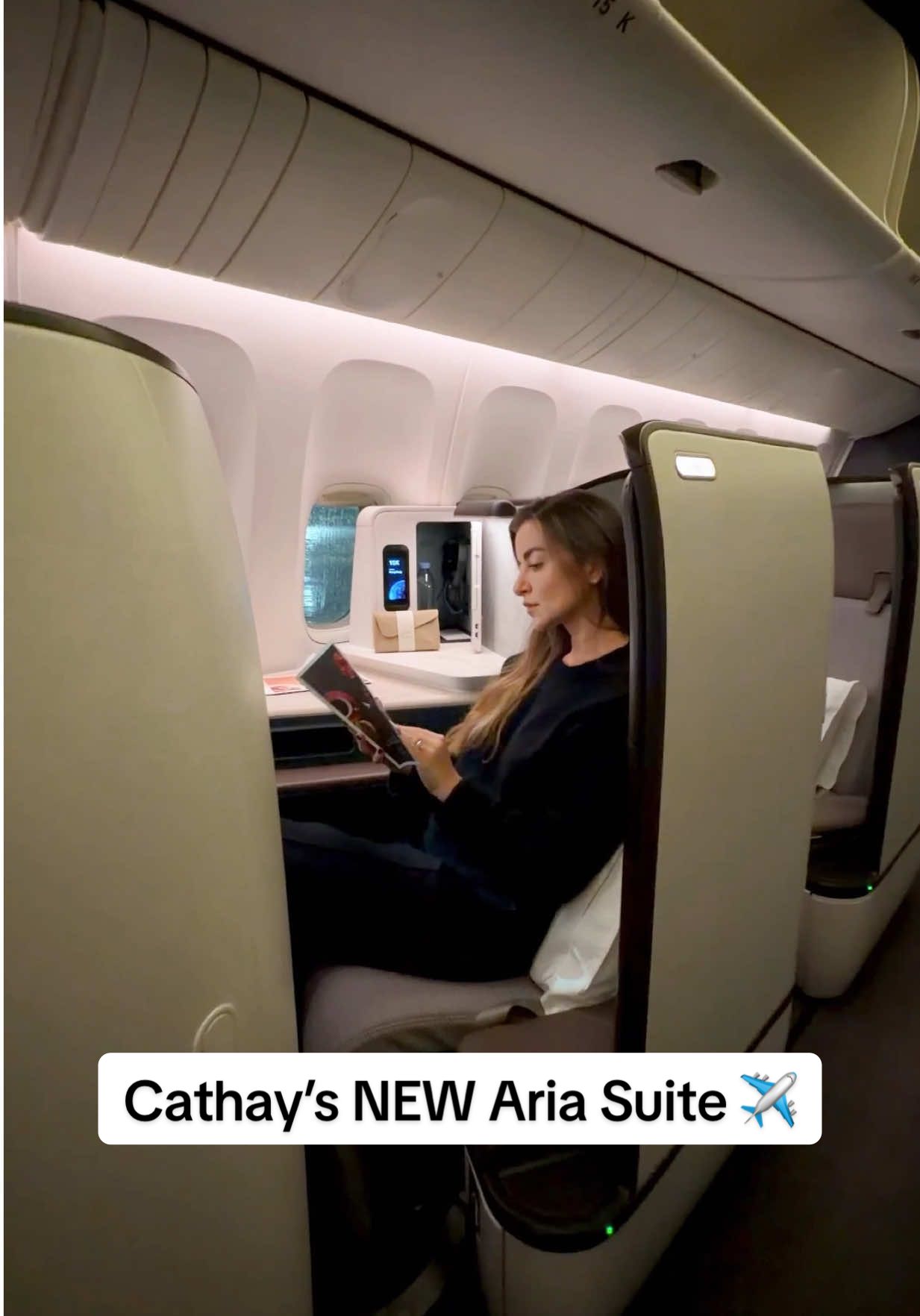
Cathay adds a door and a striking new screen. Singapore’s established long-haul seat has a different appeal: width, familiar service and the possibility of a direct journey.
Flight reviews3
Aria Suite is the stronger candidate for a traveller who values a closing door and modern entertainment. Singapore’s 777 Business remains appealing for its broad seat and a convenient nonstop. From Singapore, a Hong Kong connection needs to earn its place through price, timing or a trip you actually want to make.
01Two appealing seats, often two different journeys
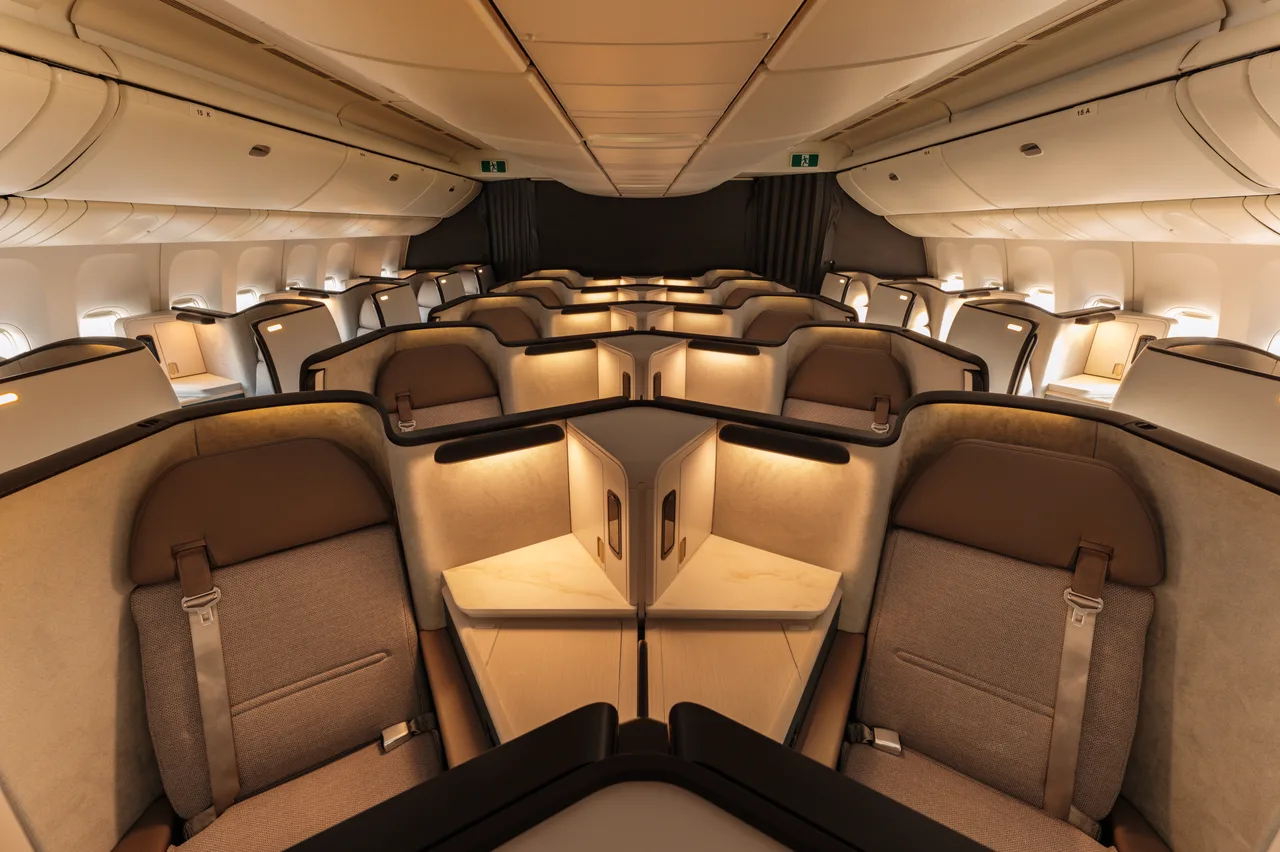
Aria Suite looks like a clear generational leap: a door, a large 4K display and a more enclosed personal space. Singapore Airlines’ established 777-300ER Business seat approaches comfort differently, with a notably broad seat and separate lounging and bed arrangements. For a traveller starting in Singapore, however, the choice also involves geography.
A Singapore Airlines nonstop and a Cathay journey through Hong Kong do not offer the same use of your time. The better cabin can still be the less suitable itinerary. Our comparison gives privacy and entertainment their due, while keeping the connection, the short-haul segment and the total price in the picture.
| Feature | Cathay Pacific Aria Suite | Singapore Airlines 777-300ER Business |
|---|---|---|
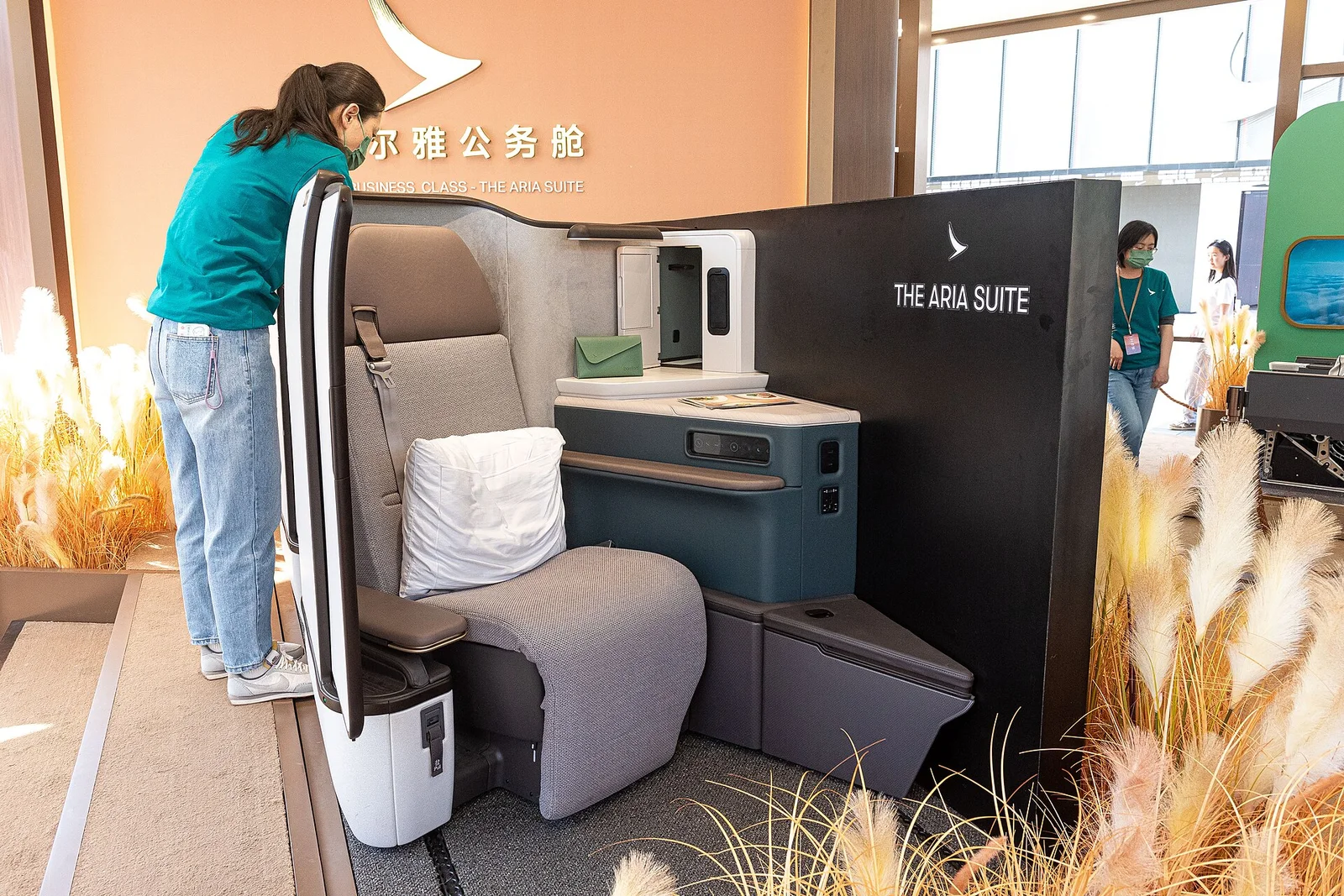
| Enclosure | Sliding door on selected refurbished 777-300ERs | Open suite without a door |
| Screen | 24-inch 4K display and Bluetooth audio | 18-inch display in the established long-haul product |
| Seat character | A modern enclosed suite with adjustable recline | 28-inch-wide seat, with distinct lounging positions |
| Bed | Flat bed within the suite | Seat folds into a 78-inch flat bed |
| Singapore-origin itinerary | Usually adds Hong Kong if the long-haul sector starts there | A nonstop may be available, depending on destination and date |
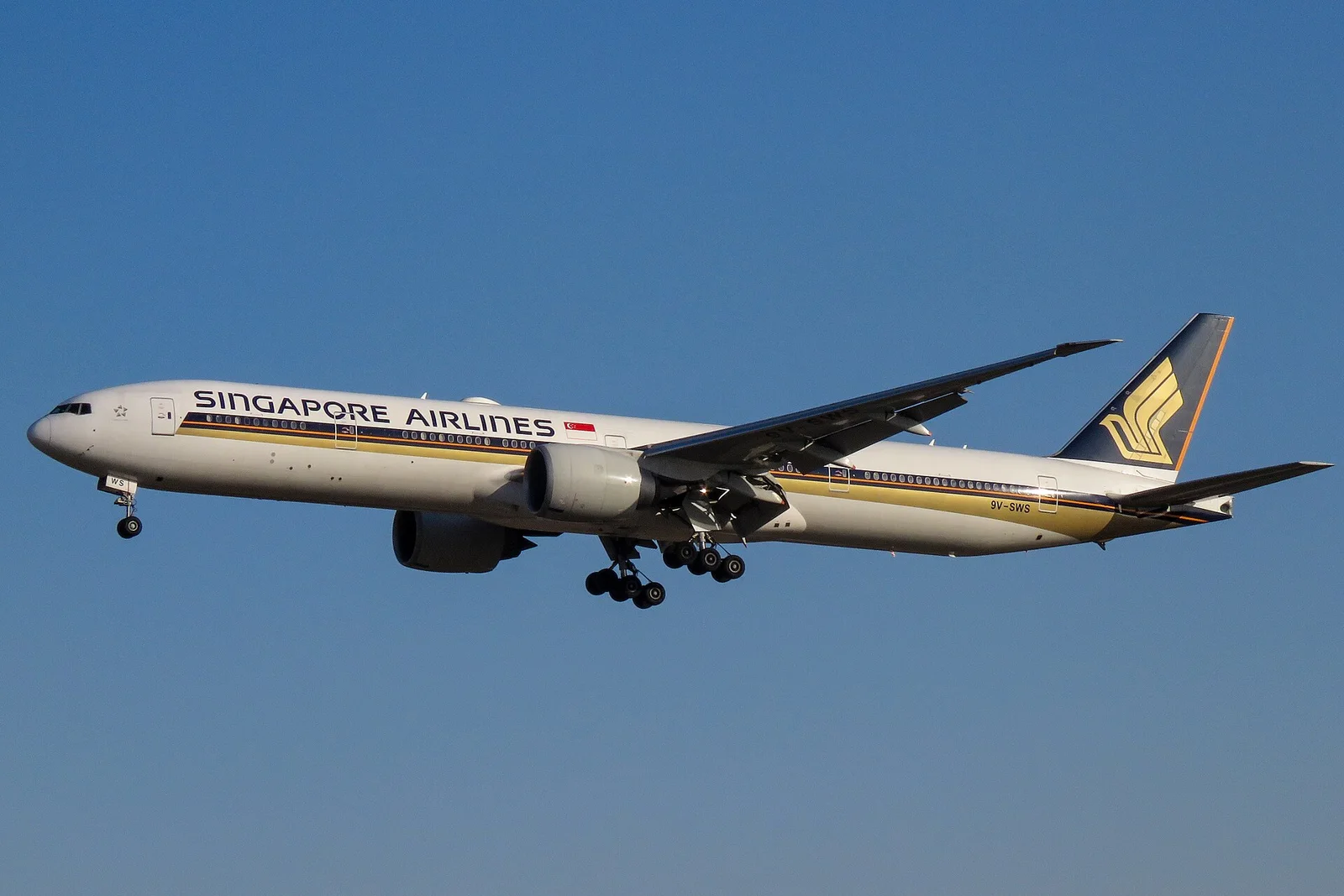
The comparison concerns these specific products. It does not describe every Cathay Business seat or every Singapore Airlines Business seat. An A380, a regional aircraft and a refurbished 777 can each bring a different experience, even under the same airline brand.
Onboard videos2 videos

03Aria’s strongest argument is the space around you
The door changes how exposed you feel to the aisle. That can matter to a solo traveller who wants to work without passing passengers in the edge of their vision, or to someone who finds movement distracting when trying to sleep. It remains an aircraft cabin, not a private room with sound isolation.
The 24-inch 4K screen and Bluetooth connection are a different sort of benefit. On a daytime journey, when you might watch several films, they can affect more of the flight than the bed. If you mainly sleep and rarely use entertainment, they should carry less weight in the price you are willing to pay.
The Alviator’s London–Hong Kong Aria report, from a September 2025 flight, supplies a useful counterpoint to launch photography. It praises parts of the experience while discussing the feeling of space against Cathay’s A350. That is a reminder that a more enclosed seat can improve privacy without making every passenger feel more spaciously accommodated.
For couples, two adjacent centre seats and the way their divider works matter more than the word “suite”. A door is not a shared room. If conversation over dinner is central to the trip, photographs with the centre divider open are more helpful than a photograph of an isolated window seat.
04Singapore’s width is attractive, but the bed has its own geometry
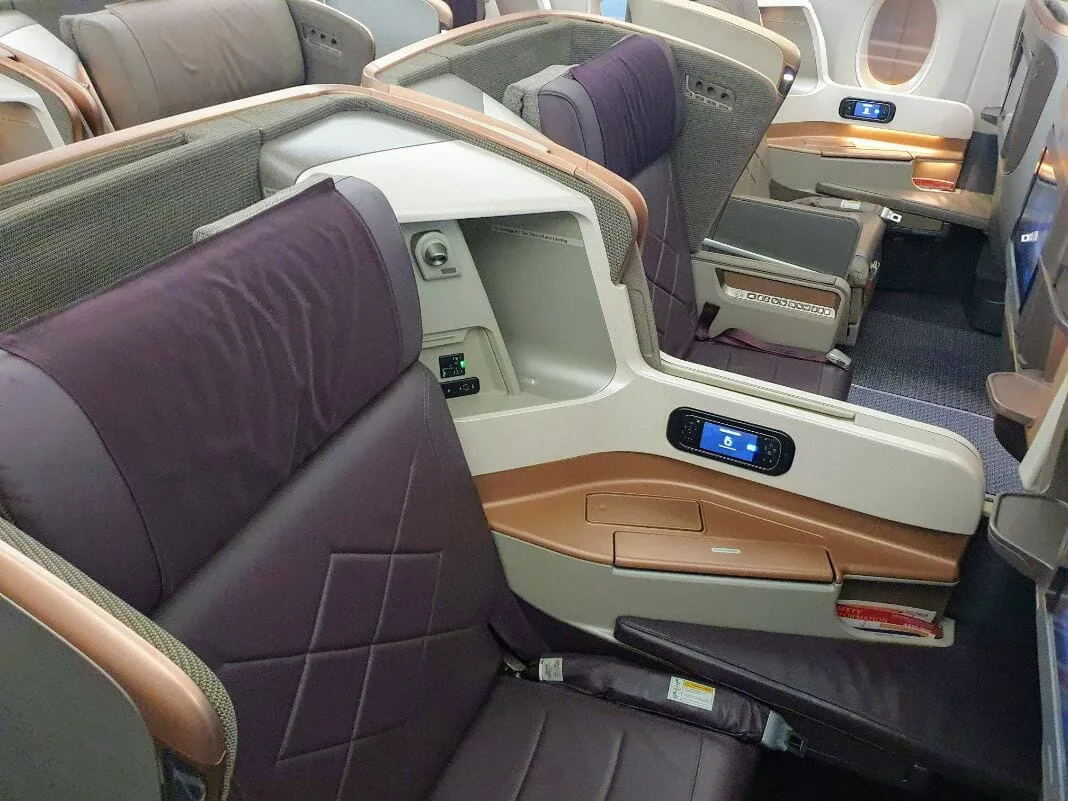
Singapore Airlines specifies a 28-inch-wide seat that becomes a 78-inch bed. That broad seating area is appealing if you like to spread out while reading or working. The airline also describes Lazy Z and Sundeck positions, giving passengers alternatives to simply sitting upright or lying fully flat.
The important distinction is between seat width and the usable shape of the bed. A wide seat does not mean a rectangular sleeping surface of the same width all the way down. Before choosing on measurements alone, a bed-mode photograph should show where your feet go and how your body lines up with the sleeping space.
The conversion also differs from simply reclining farther and farther. Someone who alternates between short naps and watching a film may value a seat that changes posture with minimal interruption. Someone who settles in for one long sleep may be much less concerned. These are personal preferences with practical consequences, not evidence that one design is universally comfortable.
Singapore’s established product is therefore a credible option for passengers who enjoy a wide place to sit and already know that the sleeping arrangement suits them. It is less obvious for someone who specifically wants a door or expects the latest screen technology. Familiarity can be an advantage, but it should not be mistaken for a guarantee that every aircraft offers this exact seat.
05The Singapore–Hong Kong leg belongs in the comparison

Read the diagram as text
- Singapore → Hong Kong
- Check the regional seat
- Hong Kong → destination
- Verify the Aria-equipped flight
- Stop or connection?
- A city visit and a transfer serve different trips
A Cathay itinerary from Singapore may combine a regional sector with the long-haul Aria flight. The word Business on both boarding passes does not establish that both sectors have Aria Suite. The regional product deserves its own check, especially if that flight is at an inconvenient time or forms a sizeable part of the journey.
The Alviator’s report of Cathay’s refreshed regional A330 on Hong Kong–Shanghai shows why this matters. It describes an updated regional experience, not the same enclosed long-haul suite. It is useful evidence about product variation, without implying that the reviewed aircraft or route is the one you will fly from Singapore.
There are also two different ways to value Hong Kong. For a traveller with a fixed arrival appointment, it may simply be an extra connection. For someone planning a stop in the city, it may be part of the holiday. The same itinerary can be a compromise for the first traveller and a feature for the second.
06A lower fare has to pay for the extra journey
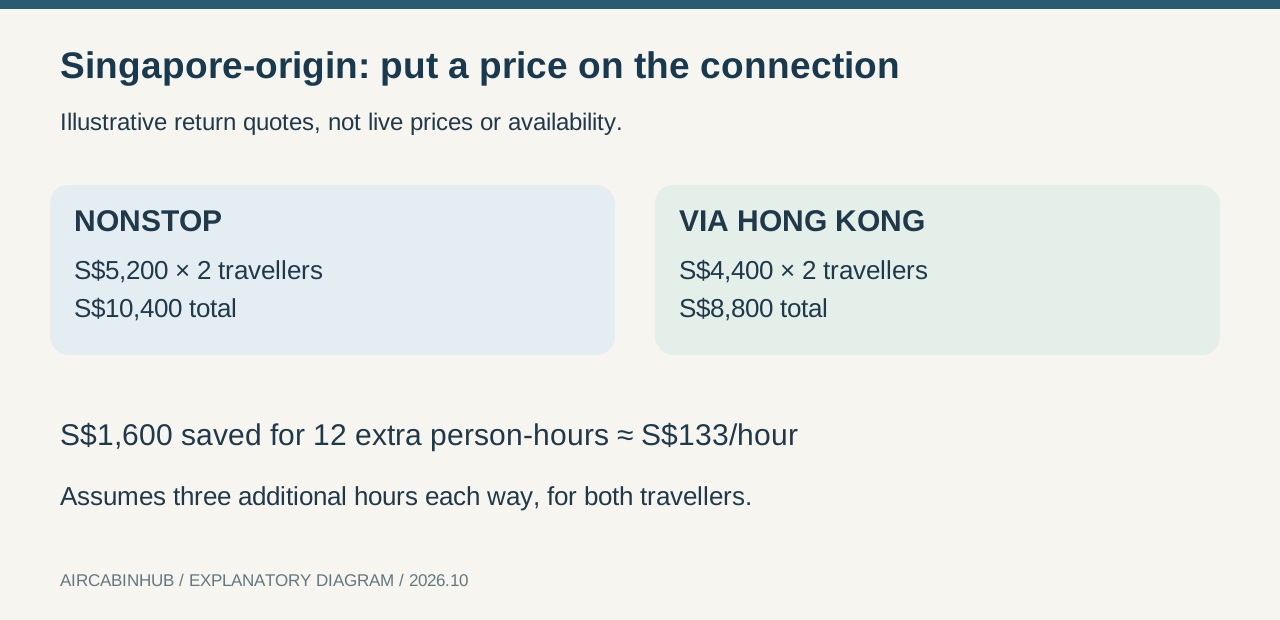
Consider two comparable return quotes: S$5,200 per person on the preferred nonstop, and S$4,400 via Hong Kong. The difference is S$800 each, or S$1,600 for two. If the connection adds three hours in each direction, each traveller gives up six hours; across two travellers that is twelve person-hours.
The saving is about S$133 per additional person-hour in that example. It is not a market price for anyone’s time. It is a way to make a vague trade-off concrete. If the connection is at an awkward hour, or one itinerary requires another hotel night, those costs belong beside the fare difference.
The same approach works when Cathay is more expensive because you actively want to try Aria Suite. The additional amount then buys a preferred cabin and perhaps a Hong Kong visit, rather than “better business class” in general. Naming those benefits makes it easier to decide whether they matter enough for this trip.
Award bookings need a separate comparison. A seat offered for cash does not prove that the same flight is available to either airline’s own programme or a partner programme. A low mileage number without a bookable seat is a planning reference, not a travel option.
07Who is likely to prefer each one?
Aria Suite is an appealing choice for a solo traveller who values privacy, enjoys entertainment and has a sensible Hong Kong itinerary. It also has an obvious attraction for an aviation enthusiast who wants to try a new product. Its weakness in a Singapore-origin comparison is often the extra journey, rather than the seat itself.
Singapore’s 777 Business makes sense for someone who prefers the direct itinerary, likes a broad seat and is comfortable with its bed arrangement. Its open design and older entertainment hardware are real differences, but they may be small ones beside a well-timed nonstop. Neither airline needs to win every feature for the ticket to be a good purchase.
For the final decision, compare photographs of the seat in the positions you will actually use, then return to the itinerary and the full fare. The most convincing recommendation is the one that still makes sense after the appealing cabin photograph is taken out of view.
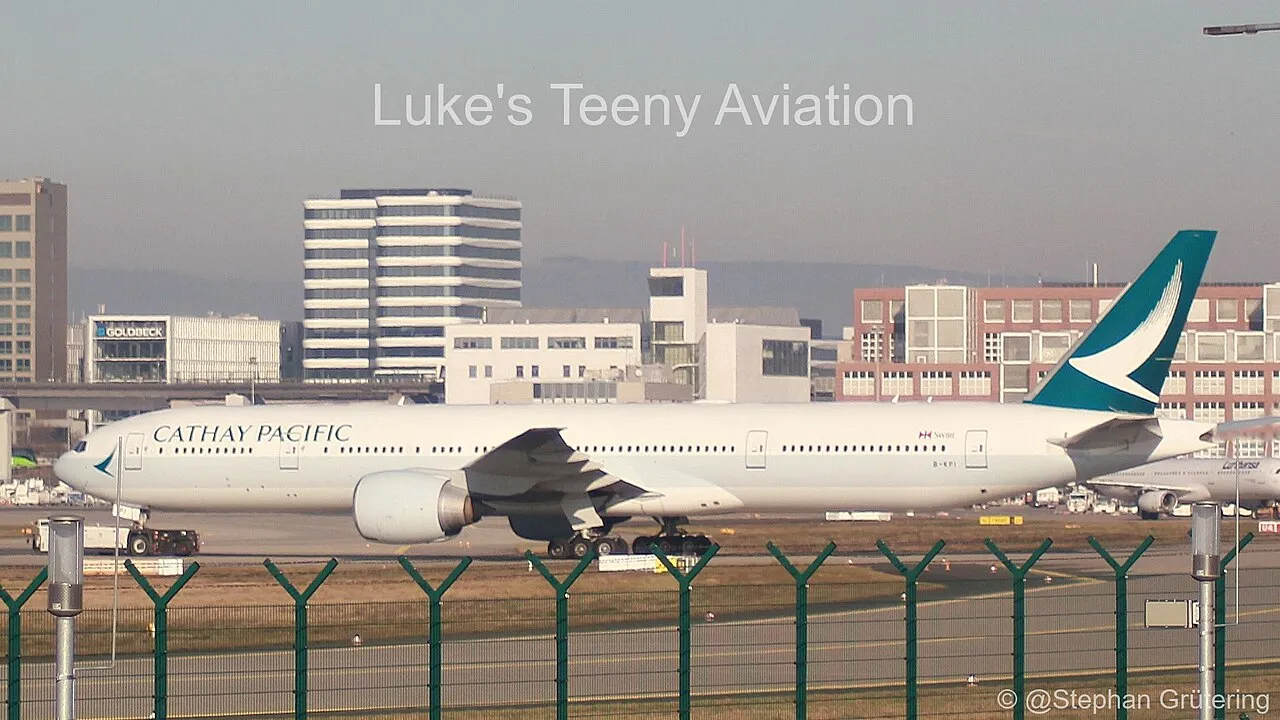 10 flight reviewsRead Cathay Pacific flight reportsBrowse reviews
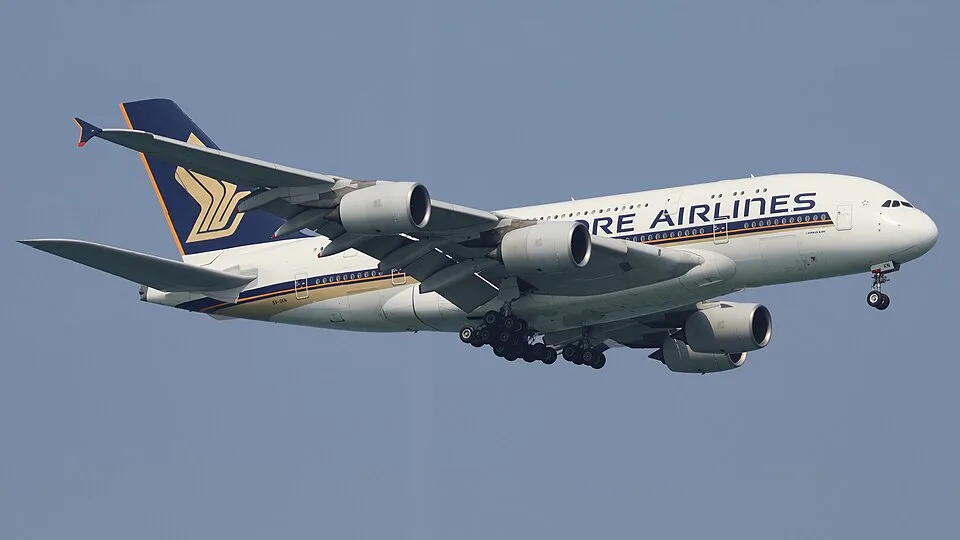 32 flight reviewsRead Singapore Airlines flight reportsBrowse reviews
Related flight reviews
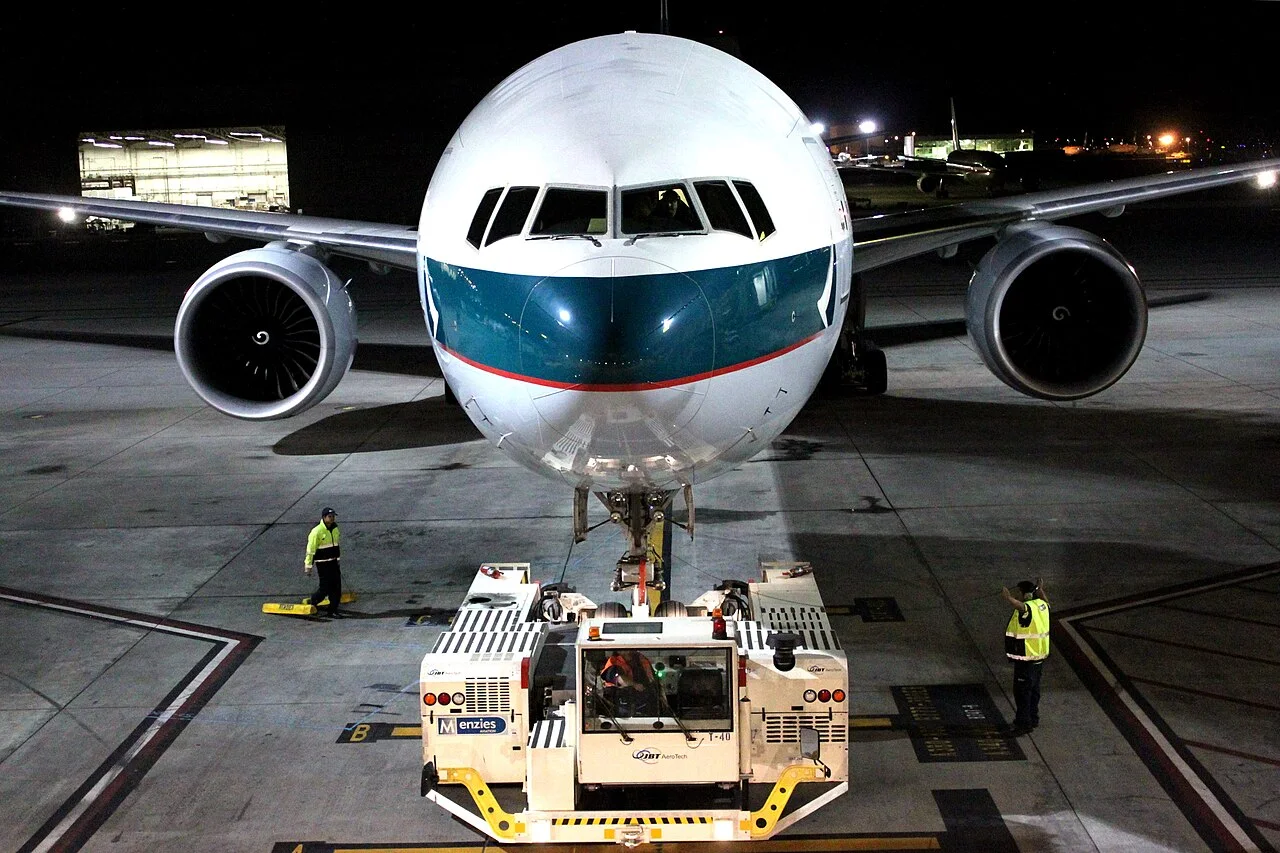 Cathay Pacific
London Hong Kong
Boeing 777-300ER · Business
Review: Cathay Pacific 777 Aria Suite Business Class (LHR-HKG)
The AlviatorRead review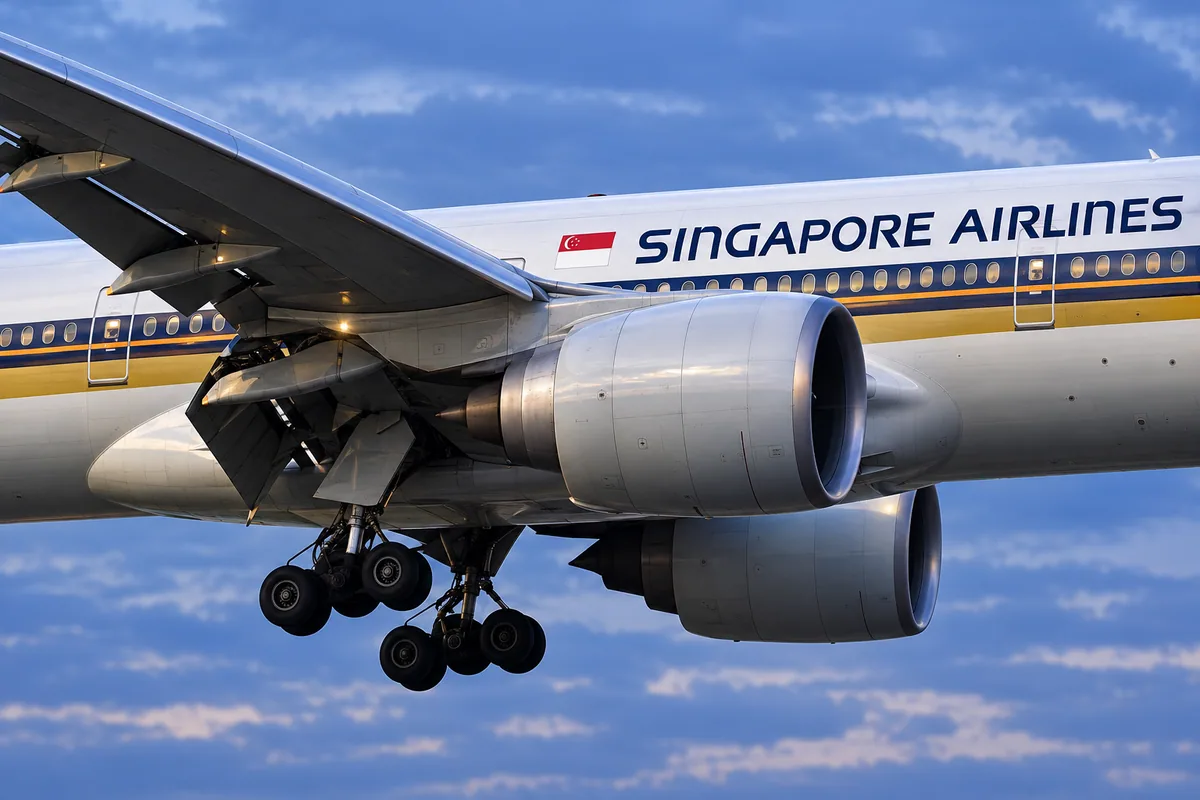 Singapore Airlines
Frankfurt New York
Boeing 777-300ER · Business
Review: Singapore Airlines Business Class Boeing 777 (FRA-JFK)
One Mile at a TimeRead review Singapore Airlines
New York Frankfurt
Boeing 777-300ER · Business