

Qantas A380 vs 787 Premium Economy: the differences that matter
This is mostly a choice between two cabins built around a similar seat, rather than a choice between a good seat and a bad one.
Flight reviews9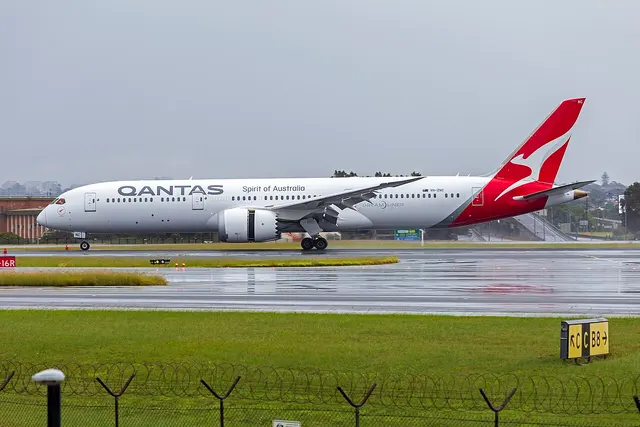
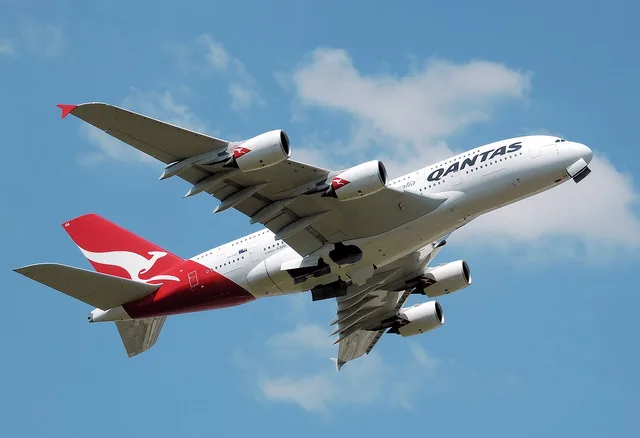

Choose the itinerary first when both options have Qantas’s current Premium Economy seat. The A380 offers an upper-deck cabin; the 787 has a much smaller cabin. Neither turns Premium Economy into a flat bed.
01The seat design is more alike than the aircraft size suggests
| Comparison | A380 | 787-9 |
|---|---|---|
| Premium Economy seats | 60 | 28 |
| Arrangement | 2–3–2 | 2–3–2 |
| Published seat pitch | 38 inches / about 97cm | 38 inches / about 97cm |
| Deck | Upper deck | Single main deck |
| Bed | Recliner, not flat | Recliner, not flat |
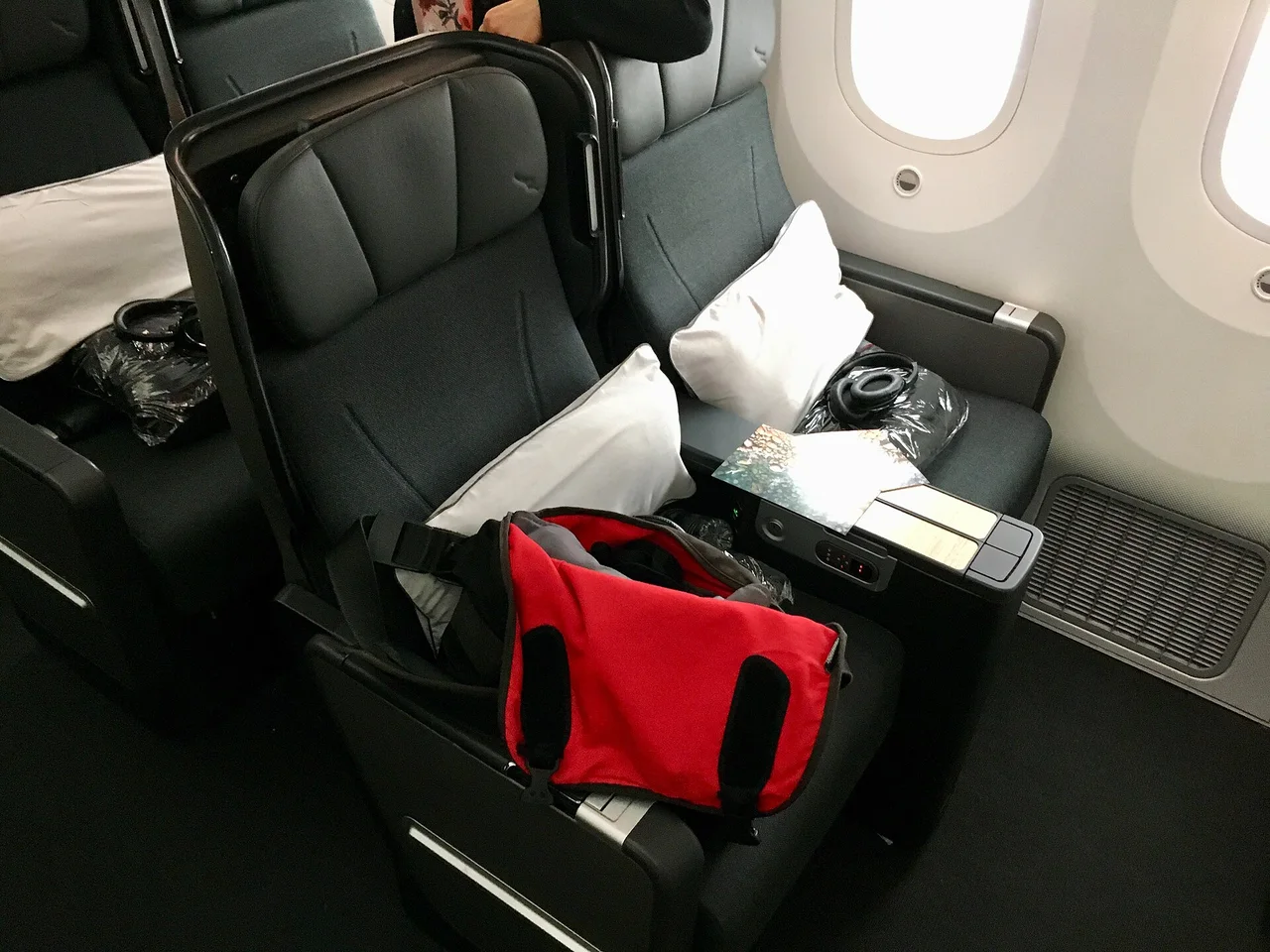
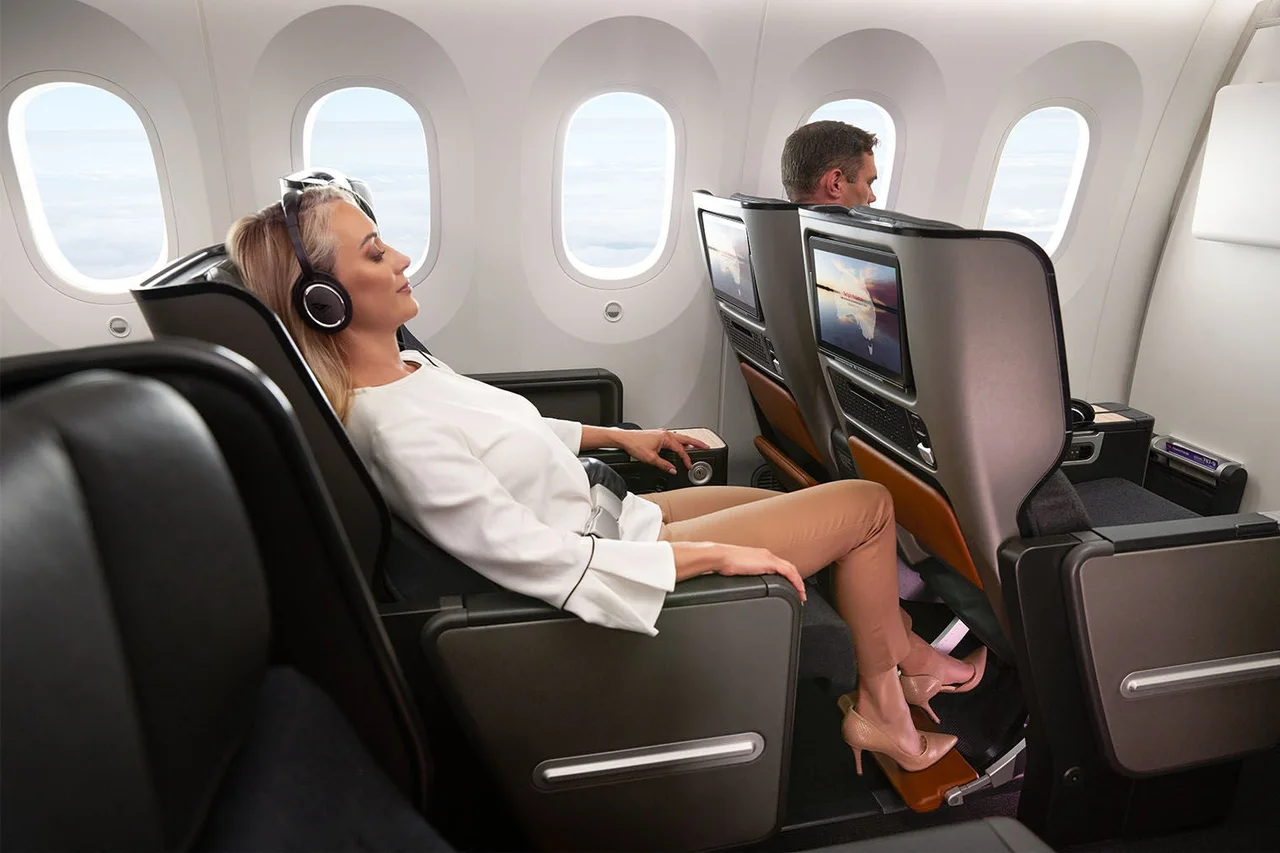
A larger aircraft does not automatically mean a wider Premium Economy seat. These cabins share the same basic seating concept. The important visual differences are around the seats: the shape of the A380 upper-deck sidewall, the window area and the length of the cabin.
There are roughly twice as many Premium Economy seats on the A380. That tells you something about the scale of the cabin, but not the actual number of empty seats or how quickly your meal will arrive. Those depend on the flight and service. It would be misleading to turn the seat count alone into a promise that the 787 is always quieter or better staffed.
02Deep recline brings a trade-off for the person behind
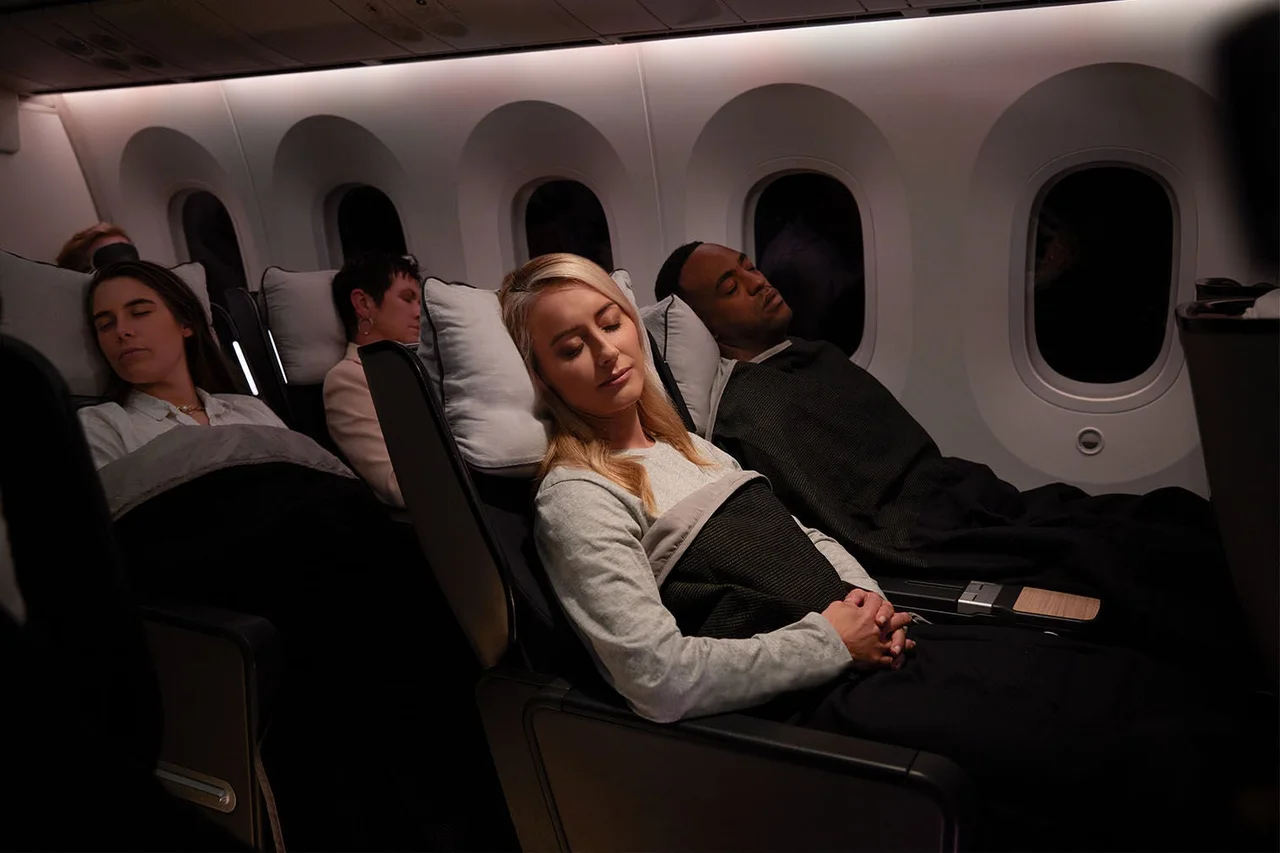
The leg support and foot cradle are part of Qantas’s Premium Economy proposition. They can make a reclined position more comfortable than leaving your feet unsupported. They do not create the continuous horizontal surface of Business Class.
The other side of recline is the space left for the next row. A 38-inch pitch is a distance between corresponding points on consecutive seats, not 38 inches of free knee space. Once the person ahead reclines, a larger seat can still feel close while you are eating or using a laptop.
Point Hacks’s A380 review is helpful here because it praises catering and service while questioning aspects of the foot net and usable space. Travel While Nerdy’s London–Perth account describes difficulty resting despite the larger seat. These are individual experiences, not proof that nobody sleeps well, but they expose the limitation that a polished seat photograph cannot resolve.
03Both aircraft have pairs; the middle block still has three seats
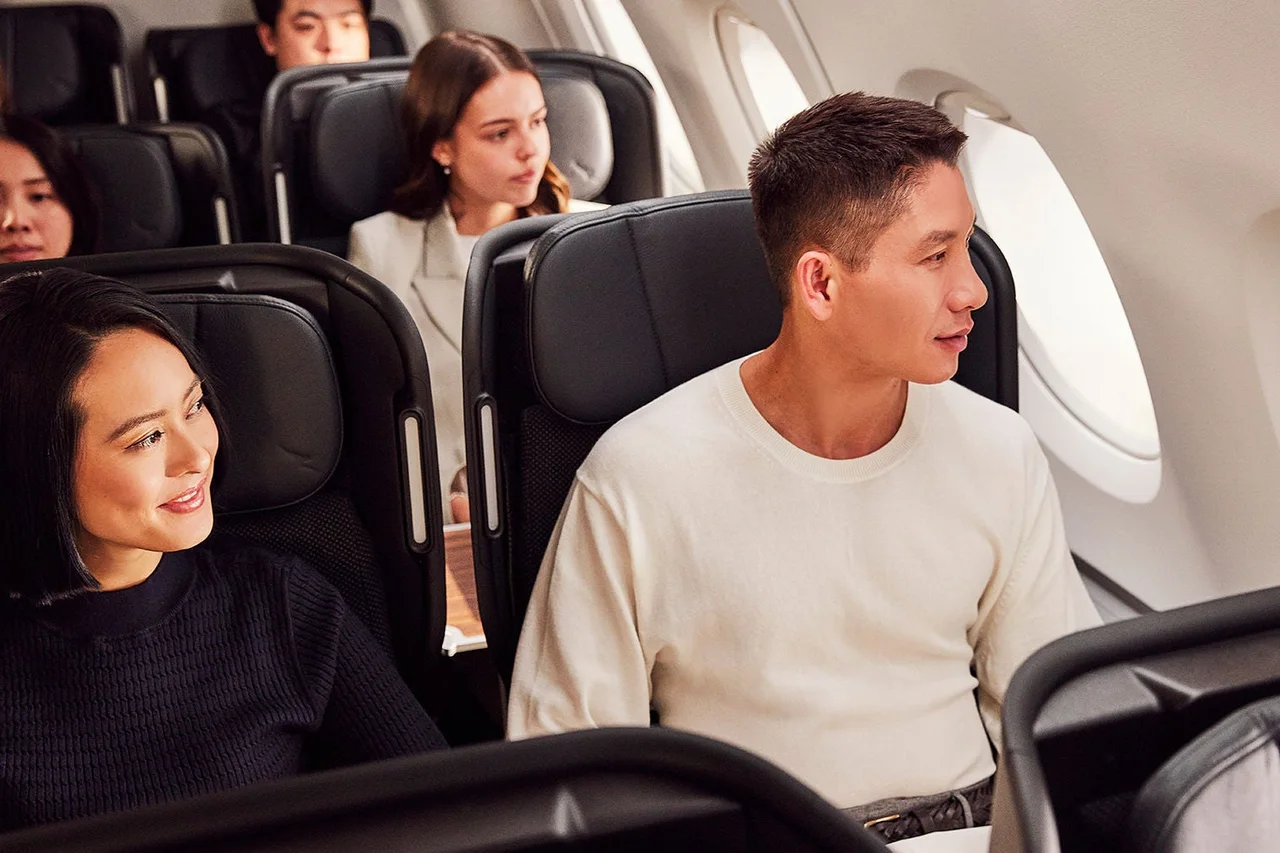
For two people travelling together, either aircraft can provide a window-side pair. That removes a third passenger from the block, though the window passenger still has to pass the aisle passenger to get out. Paying for Premium Economy does not remove that shared access.
For a solo traveller, the choice between a window and an aisle may matter more than the aircraft. An aisle can preserve independence during a long flight; a window can provide a place to lean and a view. The central seat in the block of three remains a compromise even in the more expensive cabin.
The smaller 787 cabin has fewer rows to choose from. On either aircraft, the row beside a bulkhead or at the rear has different surroundings from a row in the middle. The useful comparison is your available seat on each flight, rather than the best seat pictured in an unrelated review.
04A shorter journey can outweigh a preferred cabin

Read the diagram as text
- Nonstop
- 17 hours, one continuous stretch
- Connecting
- 22 hours, including a ground break
Australian travellers comparing services to Europe may be weighing a very long nonstop sector against a journey with a connection. Those are different travel experiences even if the seat is similar. A connection breaks up the time in a recliner and gives you a chance to walk, but it also adds airport time and another boarding process.
| Option | Elapsed journey | What changes |
|---|---|---|
| Nonstop itinerary | 17 hours | One long stretch in the seat |
| Connecting itinerary | 22 hours | Five more hours overall, with a ground break |
In this example, choosing the preferred aircraft on the connecting itinerary costs five hours of your trip. If both seats offer comparable comfort, that is a substantial price in time. Conversely, someone who finds 17 continuous hours in a recliner difficult may actively prefer the break. The itinerary is not merely a detail underneath the aircraft label.
A fare comparison should use the same origin and final destination, travel dates, baggage and change conditions. A London–Perth fare and a London–Sydney fare do not establish the price difference between the 787 and A380: they buy different journeys.
05Where an aircraft preference is worth a supplement
A modest supplement can be reasonable when it also secures a preferred pair, a better departure time or an easier onward connection. A large supplement solely for “the A380 Premium Economy seat” is harder to justify when the alternative uses a very similar design.
Travellers who need to lie flat should also compare the price of Business for the most difficult sector. Spending progressively more to optimise a recliner can become poor value if the underlying sleeping position is the real problem.
Related flight reviews
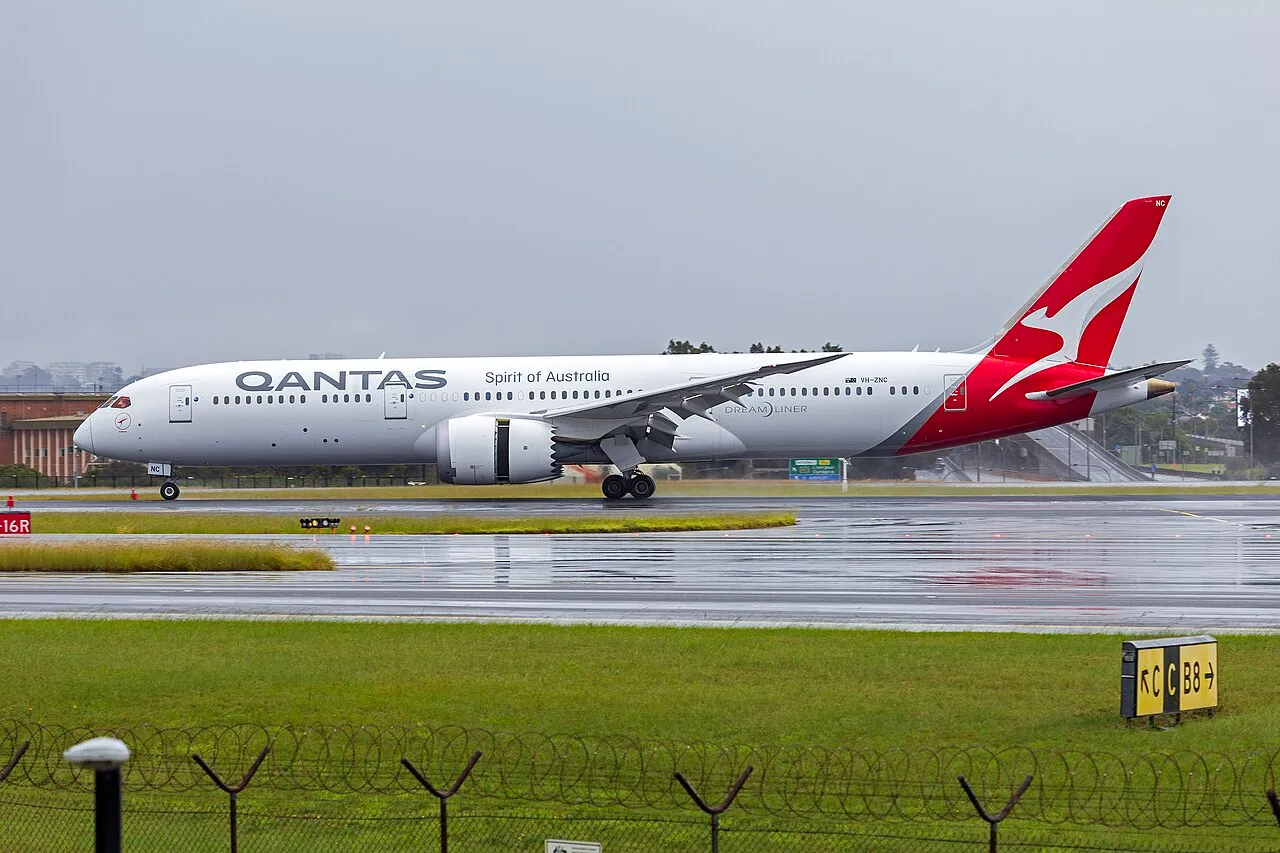 Qantas
London Perth
Boeing 787-9 · Premium economy
Flight Review: Qantas Premium Economy (Boeing 787-9 Dreamliner) from London to Perth
Travel While NerdyRead review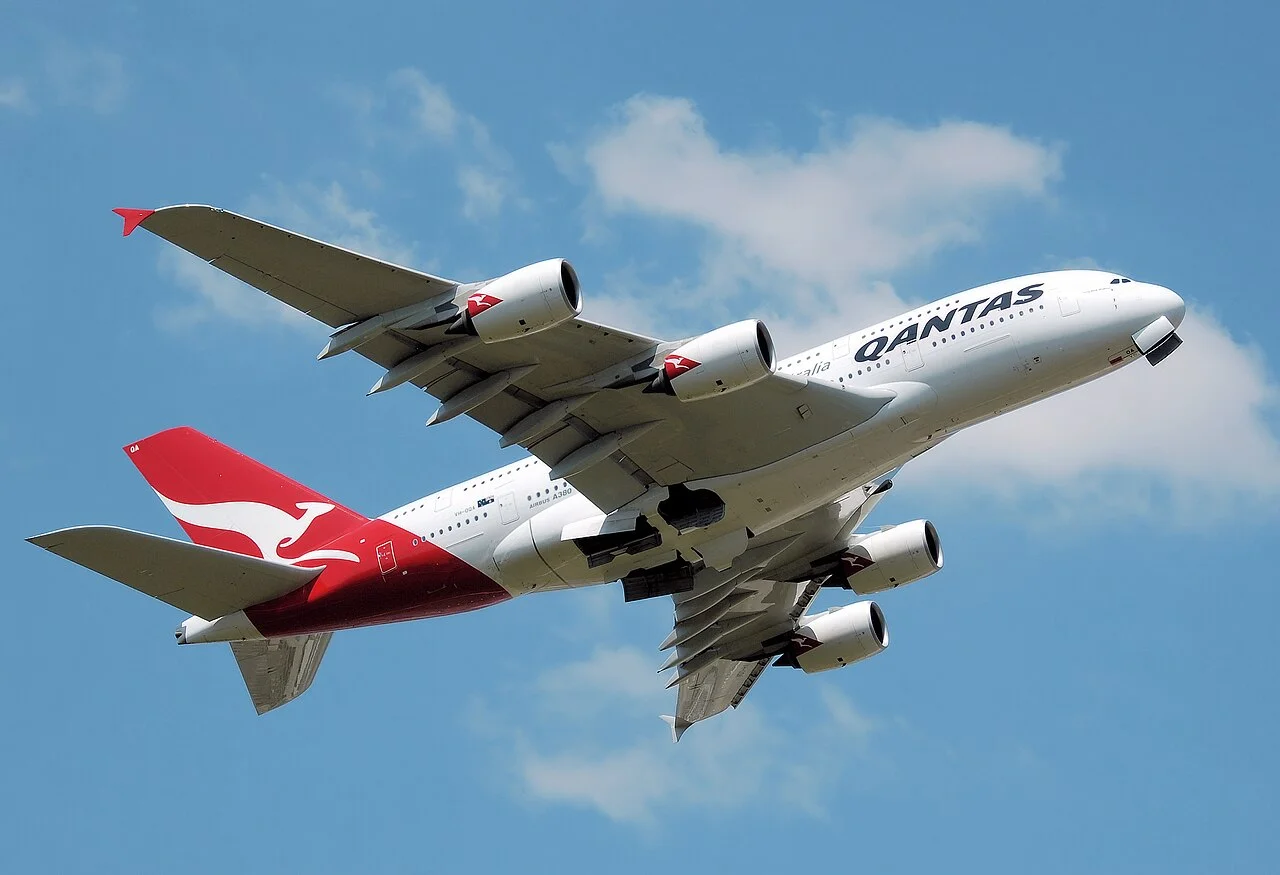 Qantas
Sydney Singapore
Airbus A380-800 · Premium economy
Qantas premium economy review – A380 from Sydney to Singapore
Head for PointsRead review Qantas
Singapore London
Airbus A380-800 · Premium economy