

Qantas Classic vs Classic Plus Rewards: which is worth your points?
A blue reward label can open up a flight you want. It does not make the seat better—or the points price automatically good value.
Flight reviews21

Check Classic first for a lower fixed points price, then evaluate Classic Plus against the cash fare you would buy. Compare the same flight, cabin and total cash contribution.
01The difference is the award price, not a better cabin.

Read the diagram as text
- Classic
- Published reward pricing; limited seats
- Classic Plus
- Pricing linked to the commercial fare
- Same flight and cabin
- No physical seat upgrade
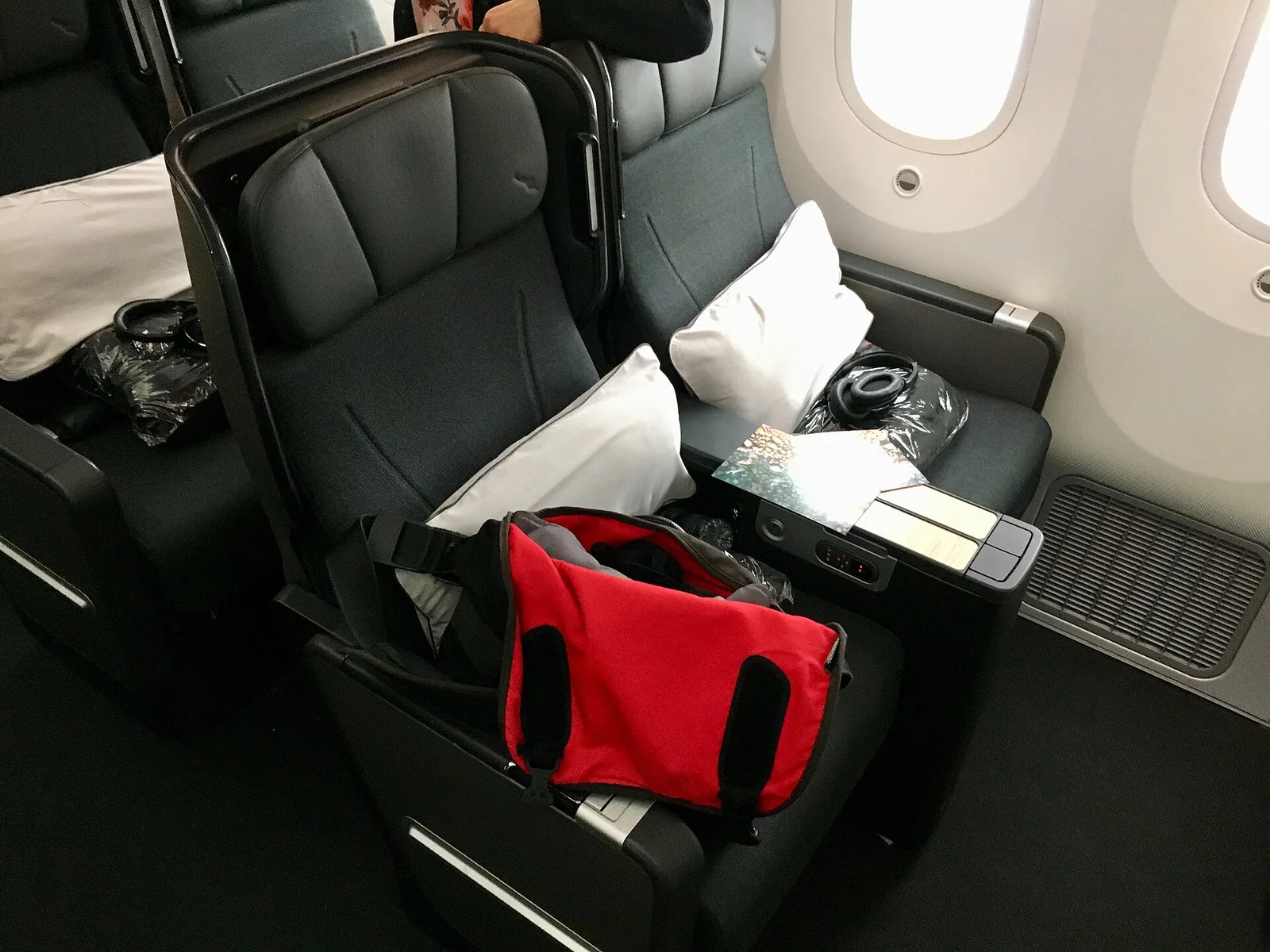
For Australian travellers, Classic and Classic Plus are two ways of using Qantas Points for flights. Classic Plus is not an upgrade from a Classic seat. Book the same cabin on the same flight and the physical seat does not improve because the redemption label changes. The useful differences are availability, pricing and the conditions of changing your plans.
| Feature | Classic | Classic Plus |
|---|---|---|
| Points pricing | Published reward pricing for the itinerary | Varies with the equivalent commercial fare |
| Availability | Limited reward seats | Broader availability on eligible Qantas flights |
| Airline scope | Qantas, Jetstar and participating partners | Eligible Qantas flights |
| Changing flights | Points difference may apply | Fare difference may be payable in cash |
Search Classic first, especially if you can move the dates. Then keep Classic Plus in the comparison when the Classic seats do not fit. More availability has real value for school holidays or a fixed event—but it should be valued deliberately, rather than treated as a bargain simply because points cover most of the bill.
02Use the cash price you would actually pay.

Read the diagram as text
- Comparable cash fare
- Same baggage and flexibility
- Less reward cash
- Taxes and other cash payments
- Divide by points
- Value per point, in the same currency
A practical calculation is (cash fare minus reward cash payment) ÷ points used. For example, imagine a fare you would buy for A$1,200. If a reward costs 50,000 points plus A$200, the points replace A$1,000: that is 2 Australian cents per point. At 100,000 points plus the same A$200, the figure is 1 cent.
That does not make one cent universally wrong. If cash is tight and you have ample points, a lower return may still fit your priorities. The calculation exposes the trade-off. Compare it with another trip you would realistically book, rather than an aspirational first-class fare you would never pay.
Reward tickets still carry taxes, fees and carrier charges. Record those in Australian dollars alongside the points total. Two options with identical points can have different cash costs, and a cash fare may earn points or status benefits that should not be assumed for every reward booking.
You can also work backwards. At your own target of 1.5 Australian cents per point, 100,000 points represent A$1,500 of spending you want to avoid. Add a hypothetical A$200 reward cash payment, and the comparable cash fare needs to reach A$1,700 to meet that target. This is a personal decision threshold, not a promised Qantas redemption rate.
03Put a price on the dates you cannot move.

Read the diagram as text
- Classic example
- 90,000 points + A$300
- Classic Plus example
- 140,000 points + A$250
- Extra for timing
- 50,000 points to save A$50
A Classic reward on Tuesday and a Classic Plus reward on Friday are not equivalent if Friday is the only departure that fits your annual leave. Keep two comparisons: the best points deal you could take with flexible dates, and the best itinerary you can actually use. This prevents both errors—overpaying because a reward is available, or calling an unusable Tuesday seat the better deal.
| Option | Points + cash | What you are buying |
|---|---|---|
| Classic on dates you can use | 90,000 + A$300 | Your reference option |
| Classic Plus with better timing | 140,000 + A$250 | 50,000 extra points, saving A$50 |
| Cash ticket on the same preferred flights | A$1,800 | Keeps the points for another trip |
Against that A$1,800 cash fare, the Classic Plus option replaces A$1,550 with 140,000 points: about 1.11 Australian cents per point. Against the usable Classic alternative, however, the question is different: would you spend 50,000 more points to improve the timing and save A$50? One calculation measures cash replaced; the other exposes the convenience premium.
For two people, that premium is 100,000 points to save A$100 in cash. If the better timing avoids an extra hotel night or a day of unpaid leave, add those real costs to your comparison. If it merely moves departure by an hour you do not care about, preserve the points. None of these figures is a live Qantas quote; they show how to compare the results you receive.
04Classic Plus can bring a cash fare difference when plans move.

Read the diagram as text
- Classic
- Points difference may apply
- Classic Plus
- Cash fare difference may apply
- In addition
- Applicable change fee per passenger
The published reward change fee is generally 5,000 points per passenger, and cancellation is generally 6,000 points per passenger, subject to the relevant conditions and exceptions. Classic Plus cancellations can have a lower cap when fewer points were originally redeemed. Always read the fare-specific conditions at checkout.
The distinction worth budgeting for is the price difference on a new flight. Classic changes can require additional points; Classic Plus changes can require a cash fare difference, on top of any change fee. A household that chose a reward to avoid a large cash outlay should look at this before locking in uncertain dates.
05Pay extra points for a useful itinerary, not a different label.

Read the diagram as text
- Classic
- When the available dates work
- Classic Plus
- When timing justifies the extra points
- Cash
- When neither award offers useful value
Choose Classic when the available flights work and the total compares well. Consider Classic Plus when it secures dates or timings that materially improve the trip, then decide whether that convenience justifies the points difference. Also keep the cash fare in the shortlist; sometimes the best use of points is to save them.
Both reward types may offer eligible upgrade opportunities, but eligibility is not confirmation. If a lie-flat bed is essential, compare confirmed business seats rather than pricing economy on the assumption that an upgrade will clear. The final decision should be about the cabin you have secured, the trip you can take and the total you give up.
06Read the reward label before comparing the cabin.
Qantas links this booking demonstration from its Classic Plus page. Use it to locate the reward options and the points-plus-cash presentation, then compare the current checkout results. The useful part is the booking sequence, rather than any historical example fare shown on screen.
Start with the route, passenger count and travel dates. Note whether the result is Classic or Classic Plus, then open the cabin and flight details. Finally record the total points and cash, including both directions. Do not compare the outbound Classic tile with the complete Classic Plus booking, or an economy quote with premium economy simply because both appear in the same search.
If a family booking has only some seats at the lower reward level, compare the total cost for everyone before deciding how to book. A one-person search can show a price that does not apply to the full party. Separate bookings may solve a pricing problem but also create separate records to manage; the party total is the relevant measure.
Related flight reviews
 Qantas
Sydney Dallas
Airbus A380-800 · First
Qantas A380 First Class (Sydney to Dallas): Bottom Line Review
Frequent MilerRead review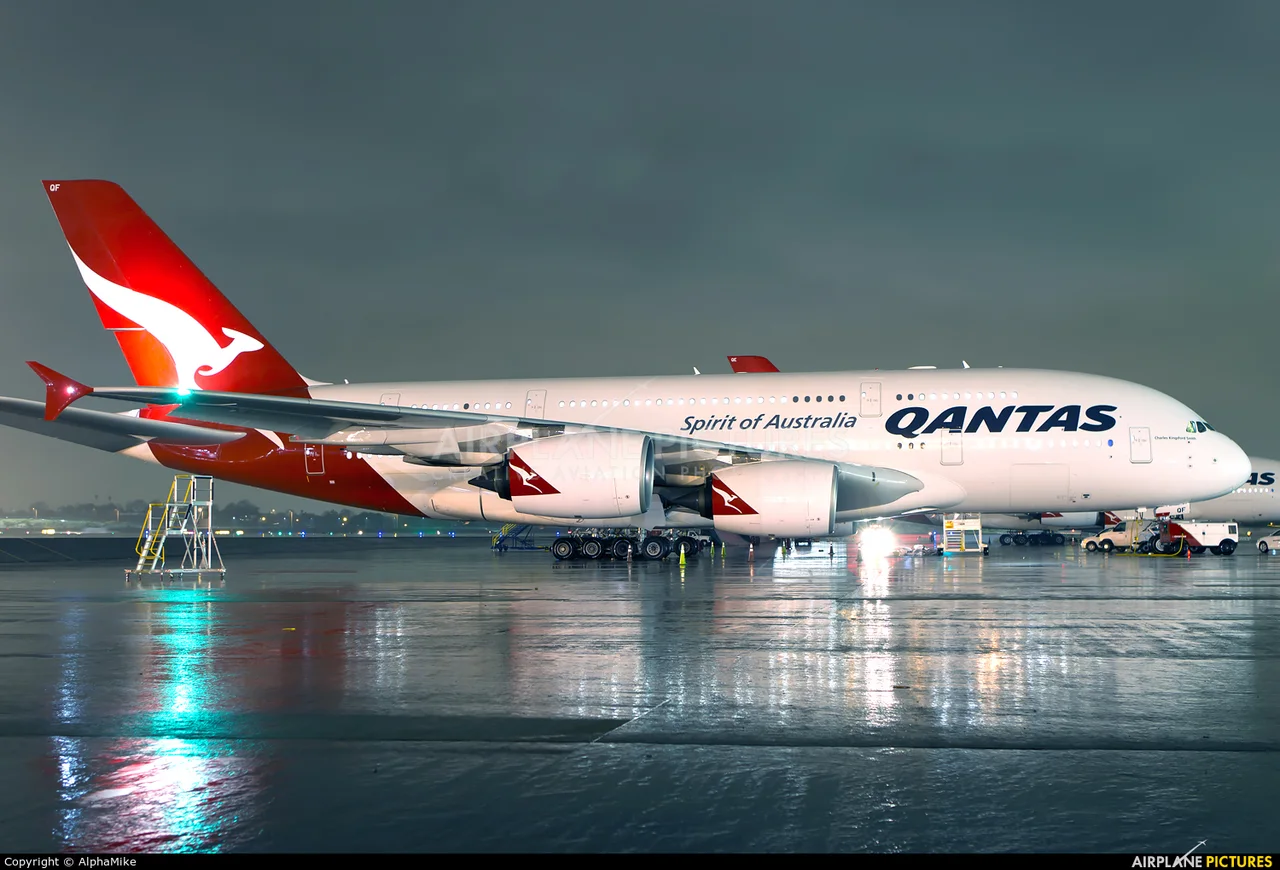 Qantas
London Singapore
Airbus A380-800 · Business
Qantas Airbus A380 Business (London – Singapore)
Point HacksRead review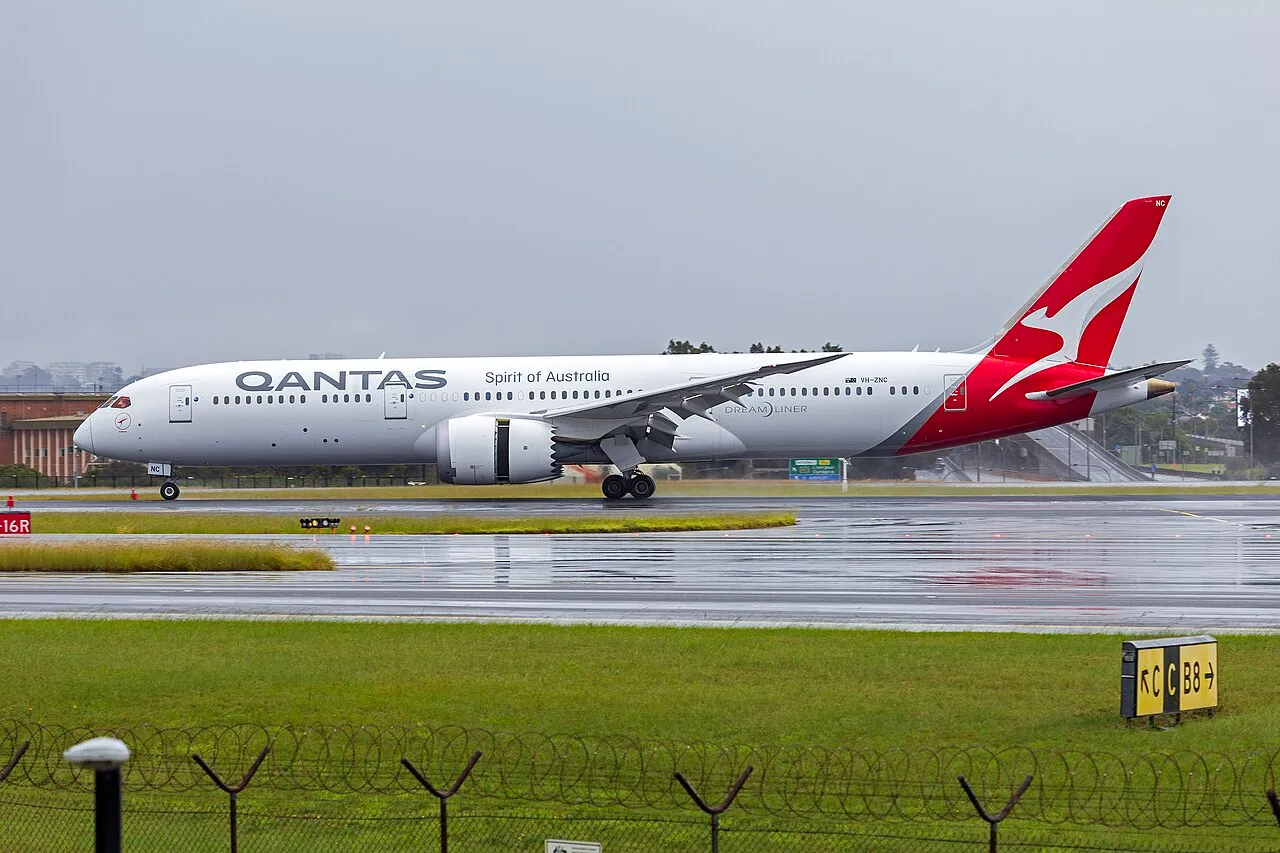 Qantas
London Perth
Boeing 787-9 · Premium economy