
Air Canada eUpgrades vs AC Bid Upgrade: when to buy Business instead
An upgrade can save money. Paying extra for the starting fare, then remaining in Economy, can erase that advantage.
Flight reviews8
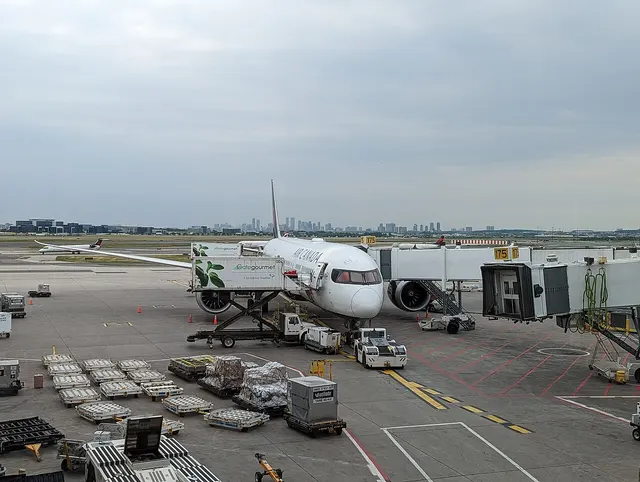
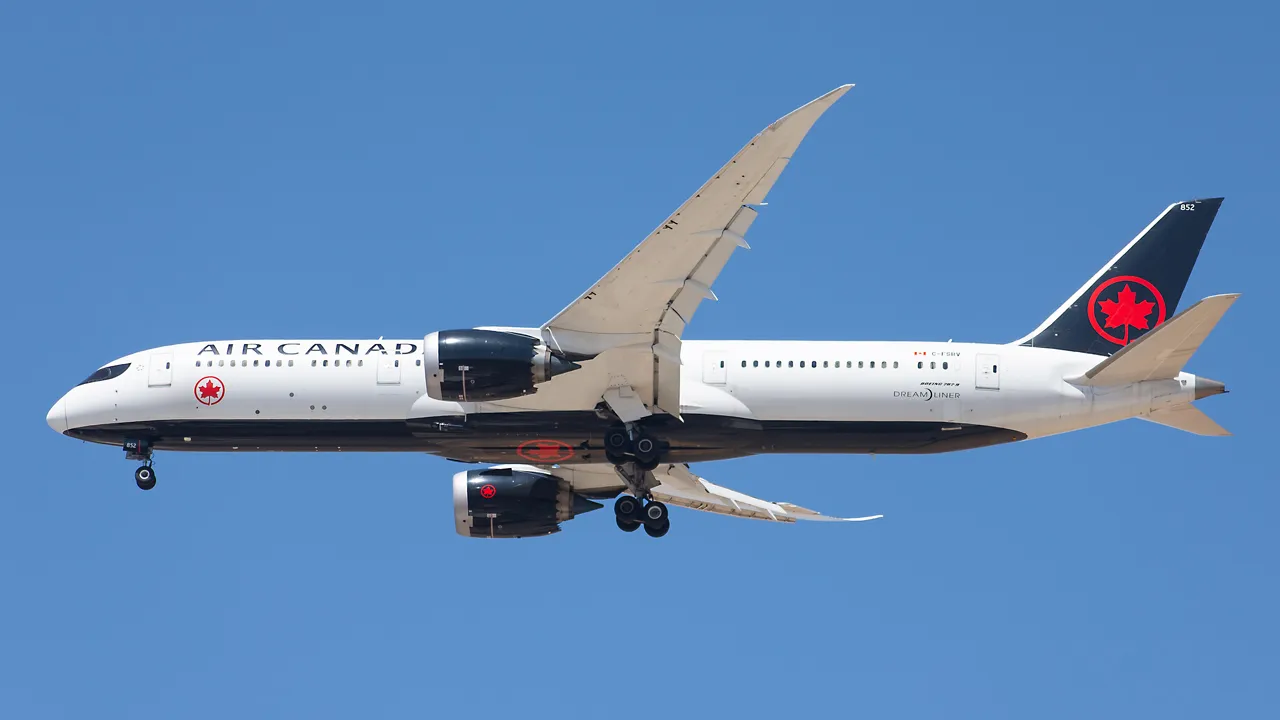
eUpgrades suit a ticket you would be happy to fly anyway. A bid suits a firm spending limit. If a bed is essential, the price of confirmed Business is the benchmark.
01Credits, a bid or a confirmed cabin
| Option | Total commitment | Best fit |
|---|---|---|
| eUpgrade | Eligible fare + credits + any cash add-on | You have credits and can accept the original cabin |
| AC Bid Upgrade | Eligible ticket + accepted cash or points bid | You can wait for a decision |
| Buy Business | Displayed Business fare | The cabin needs to be confirmed at purchase |
eUpgrade credits are not Aeroplan points, and a bid is not a confirmed seat. Missing an upgrade on a daytime flight may be a small disappointment; before an overnight trip followed by work, it may defeat the purpose of the booking.
Onboard videos2 videos



03The starting fare is part of the upgrade cost
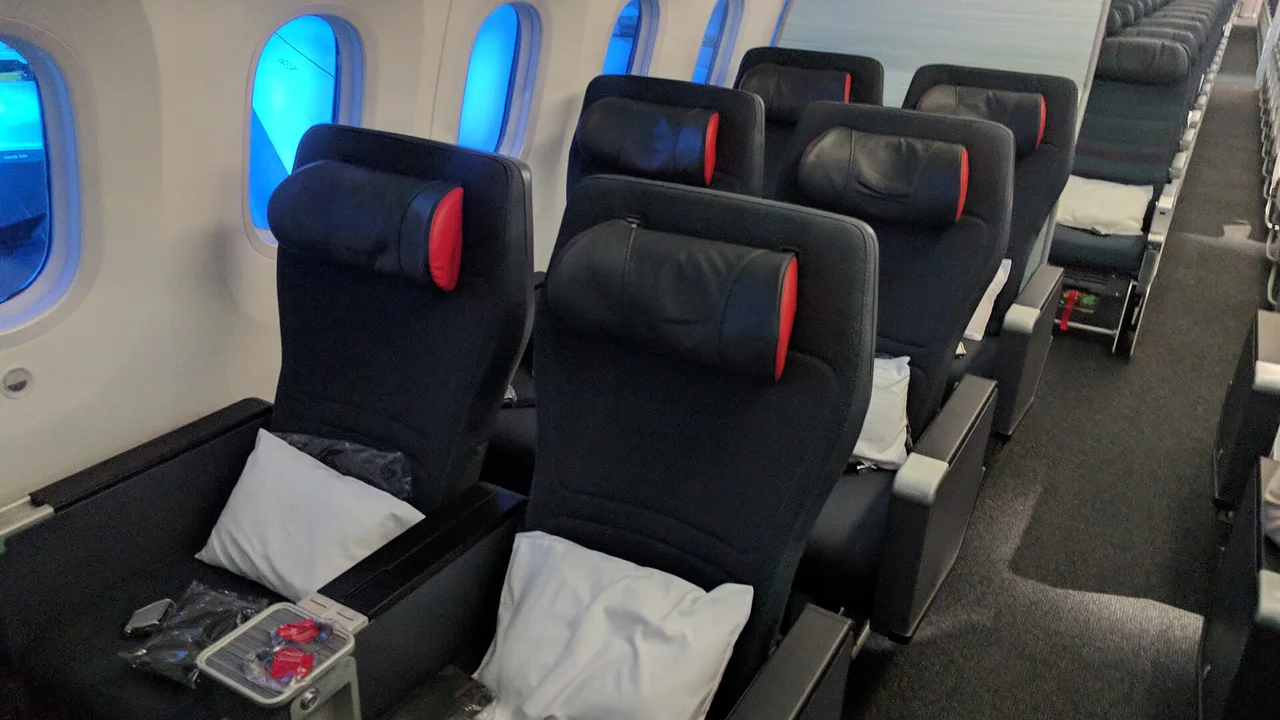

Current eUpgrade guidance excludes Economy Basic and Premium Economy Basic. Economy Latitude and Premium Economy Latitude can clear at any time when upgrade space exists; other eligible fares have status-based clearance windows. Latitude removes a timing restriction, not the need for upgrade availability.
| Choice | Cash before upgrading |
|---|---|
| Economy you would otherwise buy | C$900 |
| Eligible fare chosen for an eUpgrade | C$1,400 |
| Confirmed Business | C$2,000 |
The eUpgrade strategy starts C$500 above the ticket you otherwise wanted. If you need the more flexible fare anyway, that premium has independent value. If you buy it only to pursue Business, it belongs in the upgrade calculation.
04What happens if the upgrade does not clear?
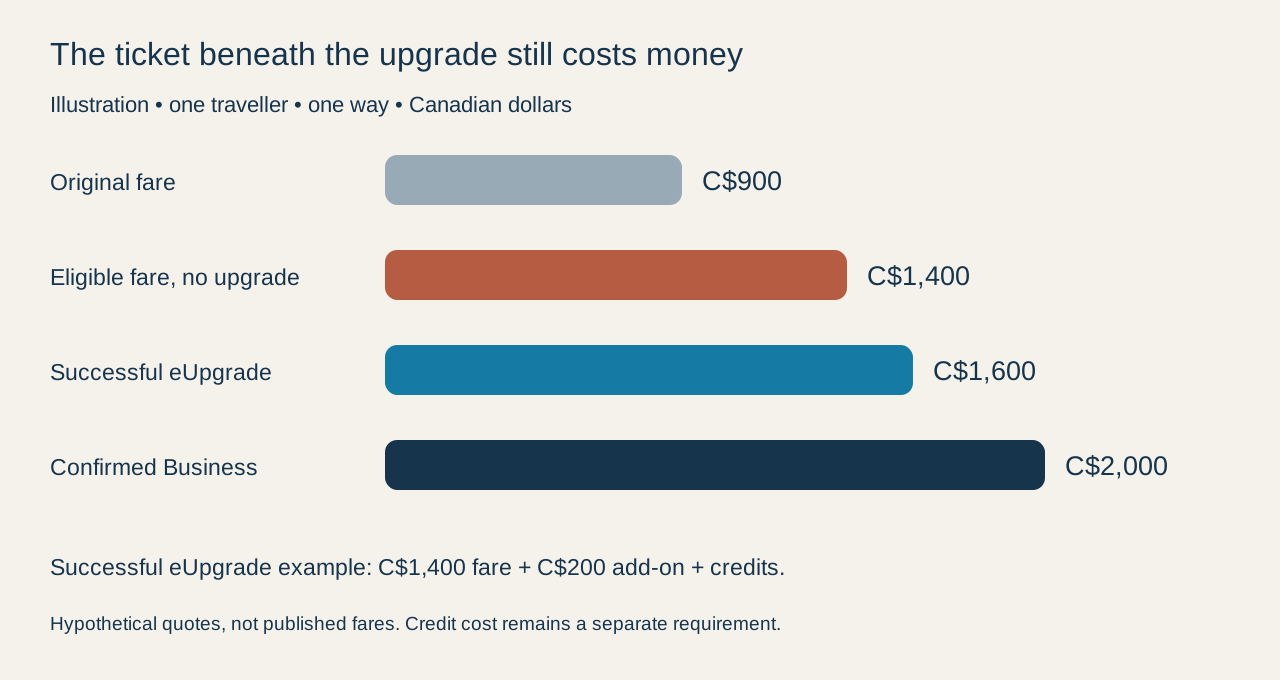
- Upgrade clears: a C$200 add-on produces C$1,600 plus credits, saving C$400 against C$2,000 Business.
- Upgrade fails: you pay C$1,400 for the original cabin—C$500 more than the C$900 ticket you otherwise wanted.
The cash saving in the successful outcome also consumes credits you could use elsewhere. A seat map cannot supply a reliable success probability, so the less attractive outcome needs to be acceptable on its own.
The same example for two travellers
Two eligible tickets cost C$2,800 before add-ons, versus C$4,000 for confirmed Business. If both upgrades clear, the total is C$3,200 plus credits. If neither clears, both stay in the original cabin. If only one clears, you travel in different cabins; decide whether that is acceptable before treating it as a successful result.
05A C$50 saving may not justify waiting

Read the diagram as text
- Confirmed change
- C$650 each
- Bid
- C$600 each, if accepted
- Saving for waiting
- C$50 each
Eligible AC Bid Upgrade offers can be submitted until 48 hours before departure, with decisions normally emailed 36–48 hours before the flight. An offer can be revised or cancelled before acceptance. The available options depend on the booking.
Suppose changing your existing ticket to confirmed Business costs C$650 per person. A C$600 bid saves only C$50 in exchange for uncertainty. A C$300 bid is a more substantial trade-off. These are examples, not live offers; use the total change quote for your ticket, including charges, rather than an unrelated new-ticket price.
For a points bid, compare what else those points could buy in your own programme. A US credit-card transfer valuation does not automatically describe the value of a Canadian points balance.
06An upgrade does not buy the Signature Suite

Read the diagram as text
- eUpgrade or bid
- May change the booked cabin
- Maple Leaf Lounge
- Check the upgraded ticket’s eligibility
- Signature Suite
- Separate fare eligibility rules apply
Air Canada excludes R-class upgrades, including eUpgrades and AC Bid Upgrades, from the Signature Suite. Eligible paid Business fares and certain Business Latitude or First Latitude Aeroplan rewards have different access rules. The Signature Suite is not the same facility as a Maple Leaf Lounge.
Toronto’s Signature Suite closed from 30 September 2026 for approximately two months of expansion work. For a departure during that closure, a visit cannot add value even to an otherwise eligible fare. Vancouver’s separate facility is relevant only to a journey through Vancouver.
07Credits must still be valid on the flight date

Read the diagram as text
- Flight date
- Credits must still be valid
- Each direction and person
- Include applicable cash add-ons
- Underlying fare
- Original change and earning rules remain
Standard credits are valid for 12 months, or 24 months for eligible premium-card Elite members under the published conditions. Cash add-ons apply by direction and upgraded passenger, so a couple’s return trip needs more than a one-person outbound calculation.
A successful upgrade does not turn the underlying ticket into a fully flexible Business fare. Its original change, cancellation and earning conditions still matter.
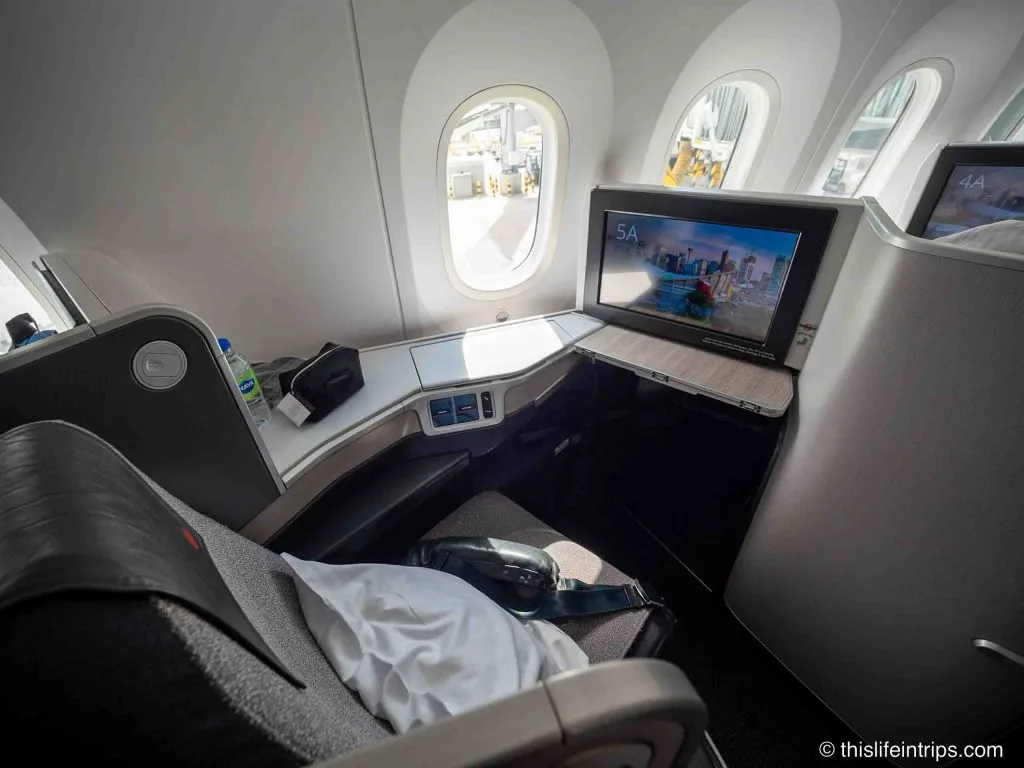
This Life in Trips’ London–Calgary 787-9 review was later updated with a Vancouver–Manila eUpgrade cleared at the gate. The author separates the points booking, credits and cash add-on: a useful real example of the cost structure, rather than a price available to every traveller.
08A useful test before paying for the eligible fare
Imagine boarding in the original cabin. If the price and ticket conditions would still feel reasonable, the upgrade improves a sound booking. If the trip only works with a bed, the confirmed Business fare deserves more weight.
This Life in Trips: 787-9 Business and separate eUpgrade costs
The Points of Life: the value of a flat bed on a domestic flight
Related flight reviews
Air CanadaLondon Calgary
Boeing 787-9 · Business
Air Canada 787 Business Class Review: LHR to YYC (2026)
This Life in TripsRead review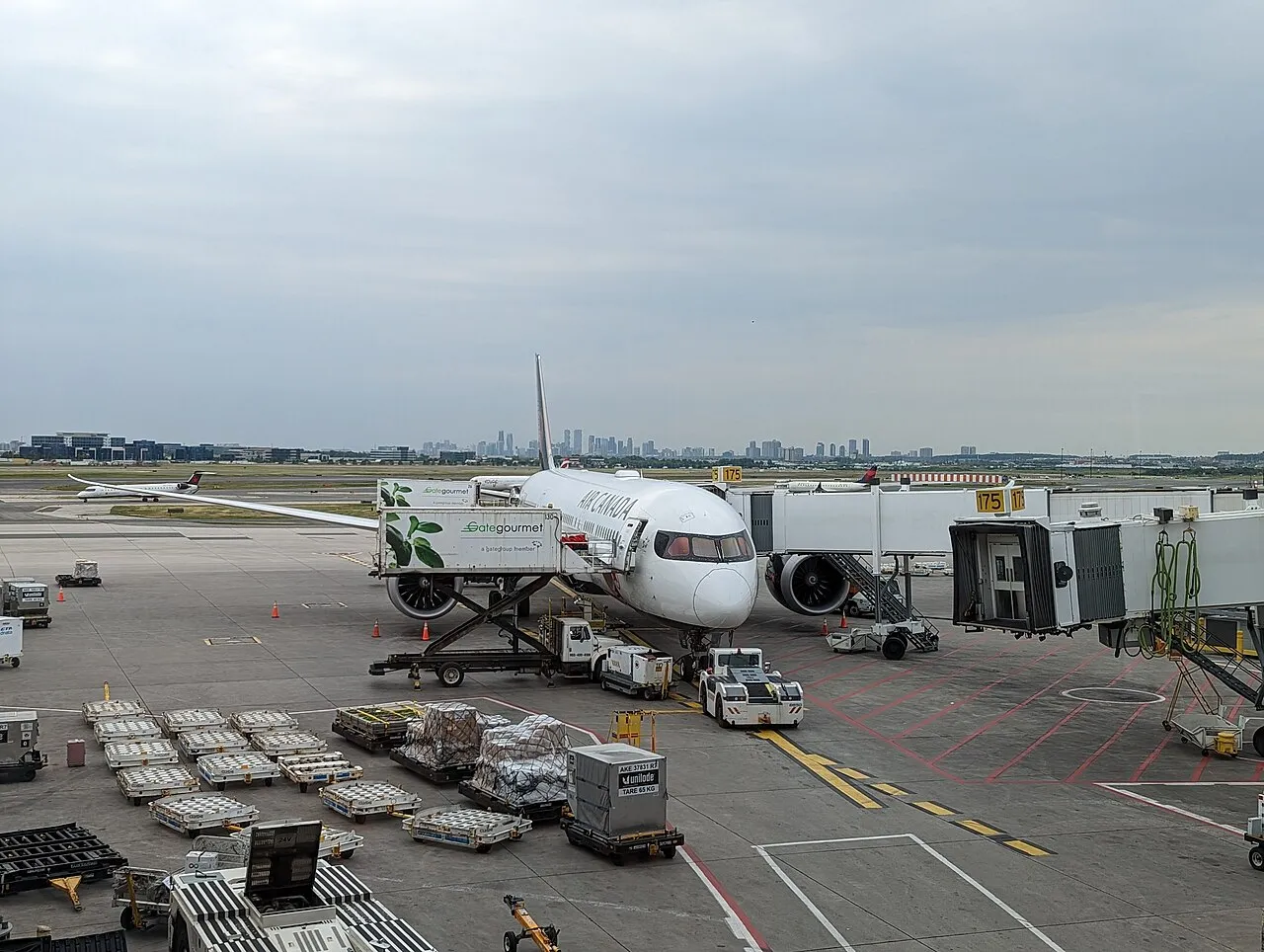 Air Canada
Singapore Vancouver
Boeing 787-9 · Premium economy
Flight Review: Air Canada Premium Economy (Boeing 787-9) from Singapore to Vancouver
Travel While NerdyRead review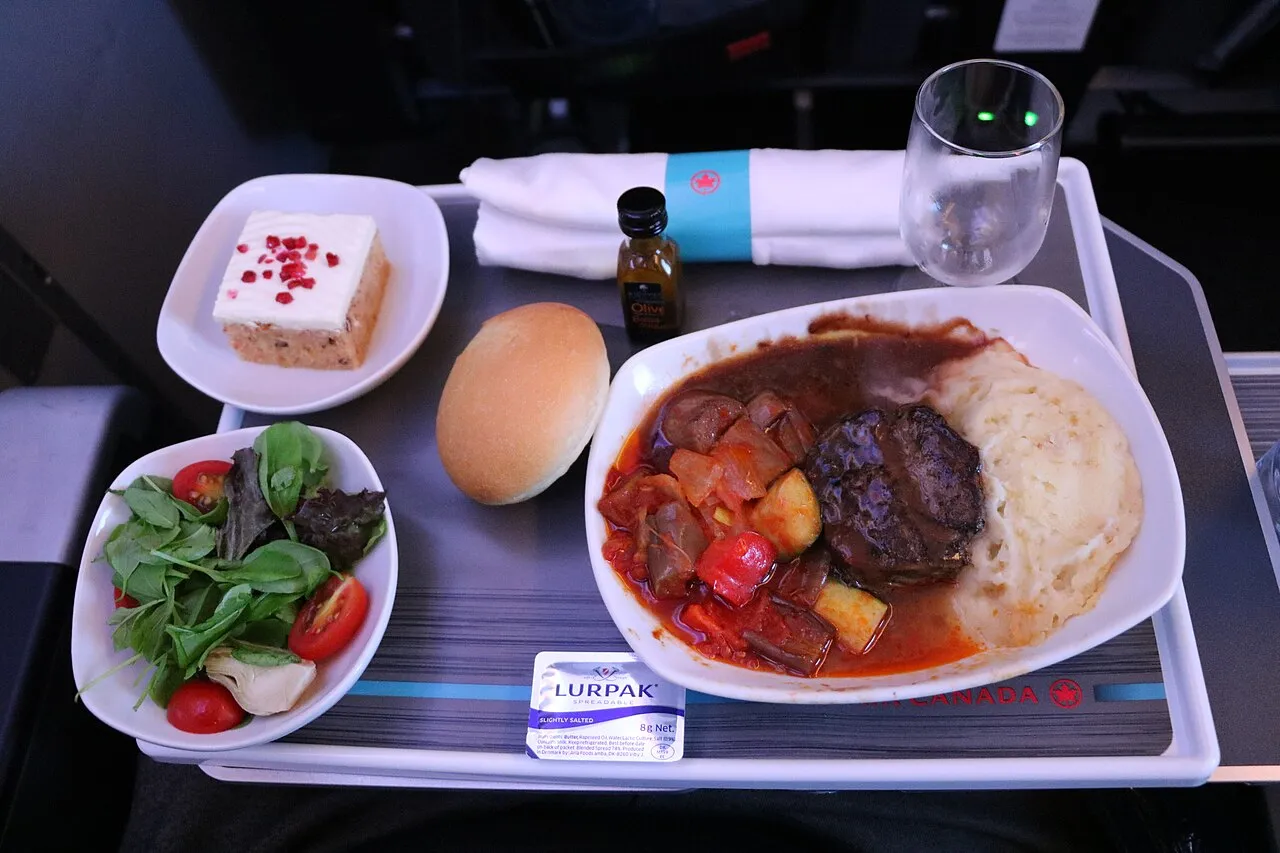 Air Canada
Vancouver Osaka
Boeing 787-9 · Premium economy